
Post-construction cleaning is one of the most important final stages after any renovation, remodeling, or new construction project. Whether it’s a newly built home, a renovated kitchen, or a commercial space upgrade in Chicagoland, construction work always leaves behind dust, debris, and hidden residues that make the space unsafe and unlivable until properly cleaned.
Many people assume that once builders finish their work, the property is ready to use—but in reality, construction sites are left in a condition that requires deep, specialized cleaning before the space can be considered truly finished.
This guide explains what post-construction cleaning is, what it includes, and why it is essential for every property after construction work.
What Is Post-Construction Cleaning?
Post-construction cleaning is a detailed, multi-phase cleaning process that removes all dust, dirt, debris, adhesives, paint splatters, and leftover materials from a newly built or renovated space.
It is more intensive than regular cleaning because construction leaves behind:
- Fine dust particles
- Drywall residue
- Paint marks
- Cement dust
- Wood shavings
- Packaging waste
- Glue and adhesive marks
In simple terms:
It is the process of transforming a construction site into a clean, safe, and livable space.
Types of Post-Construction Cleaning
Post-construction cleaning is usually divided into three main phases:
1. Rough Cleaning (Initial Cleanup)
This happens immediately after construction work is finished.
Includes:
- Removing large debris
- Clearing leftover materials
- Sweeping floors
- Removing trash and packaging
- Basic dust removal
Purpose:
To prepare the space for detailed cleaning.
2. Light Cleaning (Detail Cleaning Phase)
This is where deeper cleaning begins.
Includes:
- Dusting walls, ceilings, and fixtures
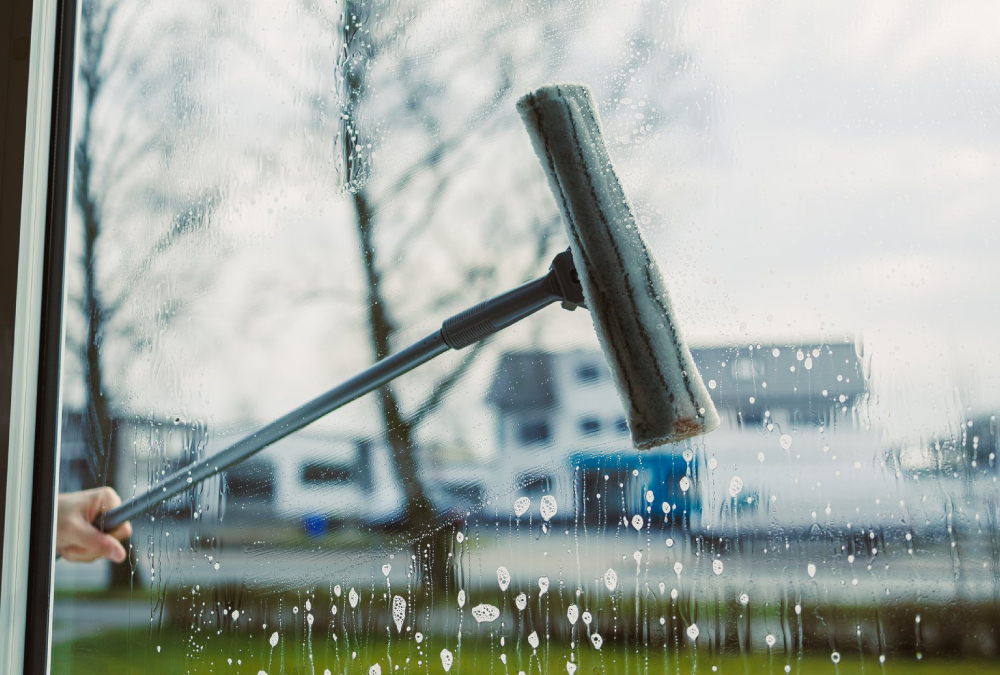
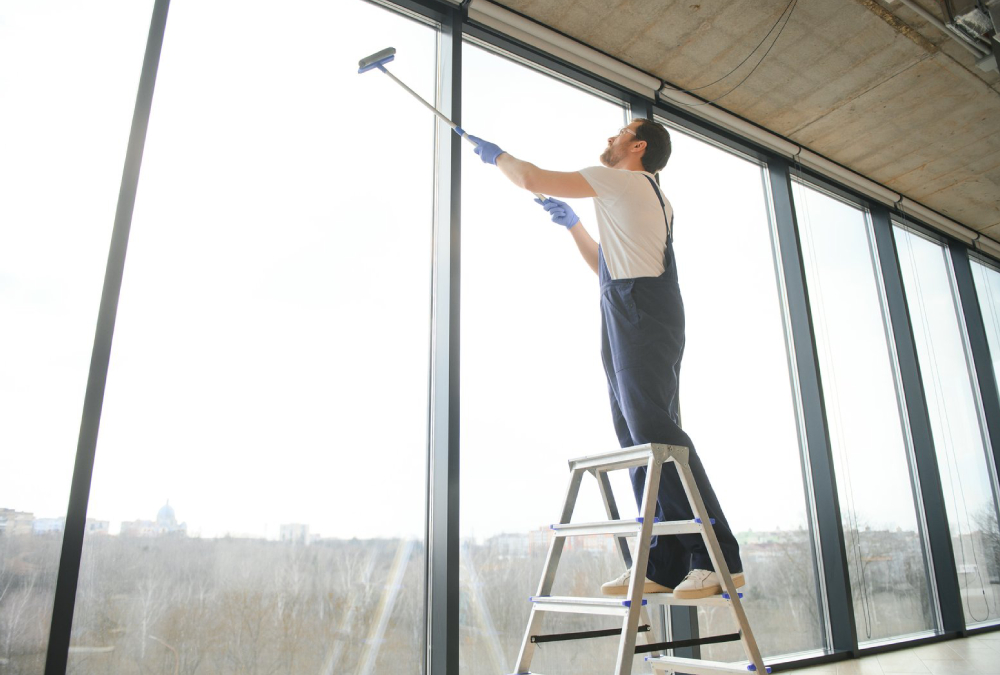
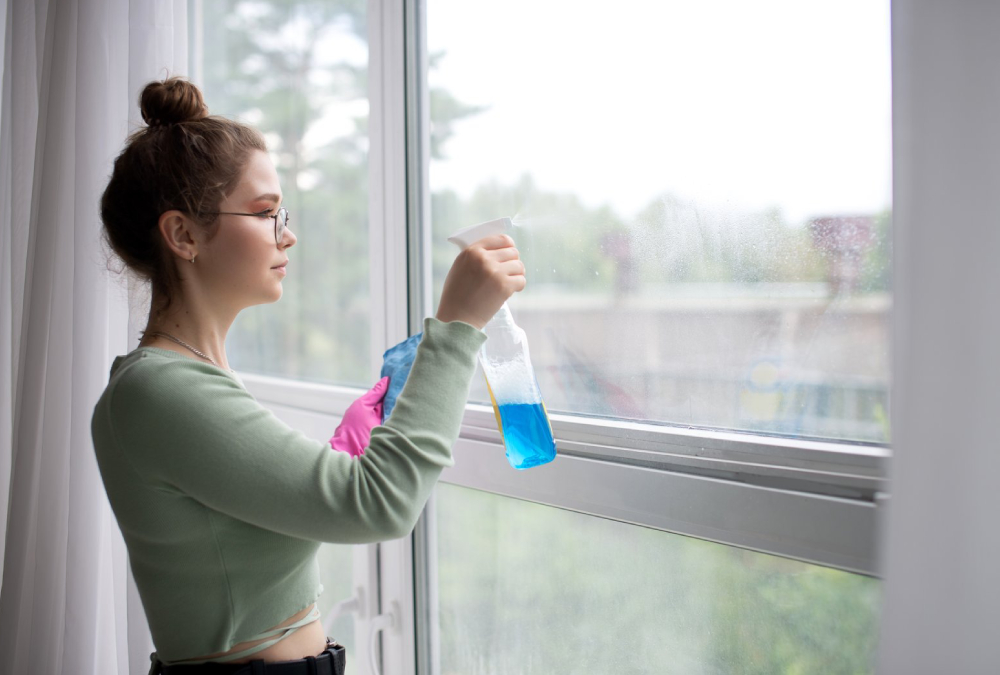
- Cleaning windows and glass surfaces
- Wiping down surfaces
- Cleaning cabinets and shelves
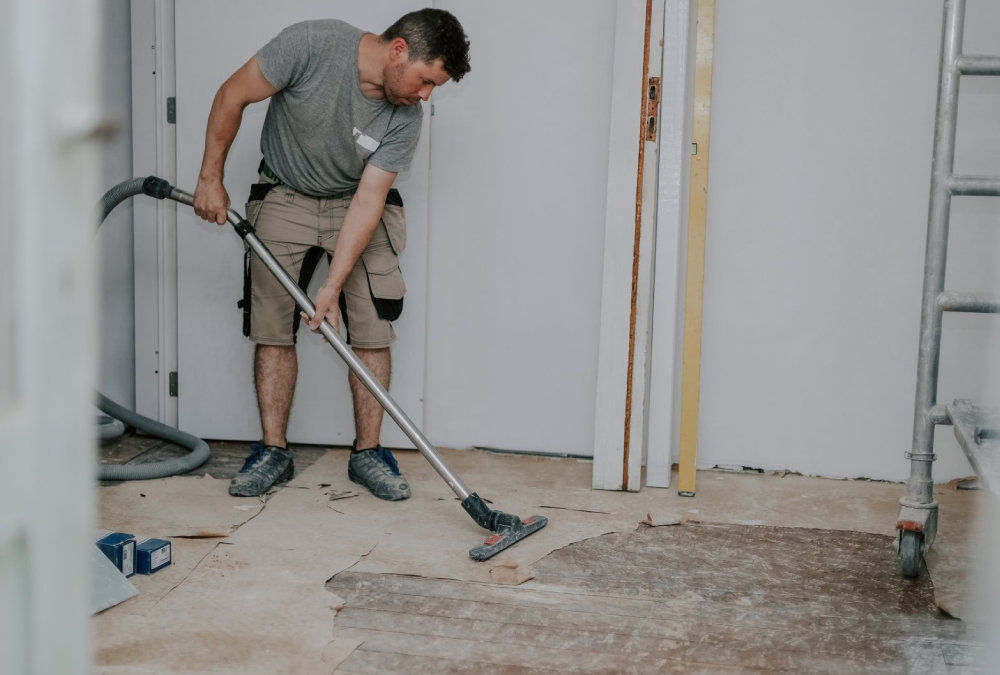
- Vacuuming floors thoroughly
Purpose:
To remove fine dust and construction residue.
3. Final Cleaning (Move-In Ready Stage)
This is the most detailed stage.
Includes:
- Deep floor cleaning and polishing
- Sanitizing bathrooms and kitchens
- Removing paint spots and adhesive marks
- Final dust removal from all surfaces
- Ensuring the property is move-in ready
Purpose:
To make the space completely clean, safe, and ready for use.
Why Post-Construction Cleaning Matters
Post-construction cleaning is not optional—it is essential for health, safety, and usability.
1. Removes Harmful Dust and Particles
Construction dust is not normal dust.
It contains:
- Drywall particles
- Cement dust
- Wood fibers
- Silica particles
Why it matters:
These particles can cause:
- Breathing issues
- Allergic reactions
- Eye irritation
- Long-term respiratory problems
2. Improves Indoor Air Quality
Even after construction ends, dust remains suspended in the air.
Without cleaning:
- Air remains polluted
- HVAC systems circulate dust
- Rooms feel uncomfortable
Post-cleaning benefit:
Cleaner, healthier air for living or working.
3. Makes the Space Safe to Use
Construction sites may contain hidden hazards.
Examples:
- Sharp debris
- Nails or screws
- Chemical residues
- Slippery dust layers
Cleaning ensures:
A safe environment for families, workers, or tenants.
4. Enhances Appearance of the Property
Even a beautifully built space looks unfinished without cleaning.
Post-cleaning improvements:
- Clear windows and glass
- Polished floors
- Clean surfaces and fixtures
- Bright, fresh appearance
5. Protects New Surfaces and Finishes
Construction dust and residue can damage new materials.
Risk areas:
- Hardwood floors
- Marble or tile surfaces
- Cabinets and countertops
- Paint finishes
Proper cleaning prevents:
Long-term surface damage and staining.
6. Prepares the Property for Occupancy
Whether residential or commercial, no one can safely use a construction site without cleaning.
Post-cleaning ensures:
- Move-in readiness
- Comfortable living conditions
- Professional presentation for businesses
7. Removes Hidden Construction Residue
Even after visible cleanup, residue remains in hidden areas.
Common spots:
- Behind appliances
- Inside cabinets
- Air vents
- Corners and edges
- Window tracks
8. Improves HVAC System Performance
Dust often enters air systems during construction.
If not cleaned:
- Air filters clog quickly
- HVAC efficiency drops
- Dust circulates continuously
Cleaning helps:
Maintain clean airflow and system efficiency.
9. Essential for Health Compliance (Commercial Spaces)
For offices, clinics, and retail spaces:
Why it matters:
- Meets safety standards
- Ensures hygiene compliance
- Improves customer perception
10. Increases Property Value and Appeal
A clean, finished property:
- Looks more professional
- Feels more welcoming
- Attracts buyers or tenants faster
Common Misconception About Post-Construction Cleaning
“Construction cleanup is just normal cleaning”
Reality:
It requires:
- Industrial equipment
- Specialized techniques
- Multi-stage deep cleaning
- Professional experience
DIY vs Professional Post-Construction Cleaning
DIY Challenges:
- Hard-to-remove dust
- Lack of proper tools
- Time-consuming process
- Incomplete results
Professional Advantage:
- Industrial vacuum systems
- HEPA filtration
- Specialized cleaning agents
- Faster and safer results
Where Post-Construction Cleaning Is Needed
Residential:
- New homes
- Renovated kitchens
- Bathroom remodeling
- Basement finishing
Commercial:
- Offices
- Retail stores
- Clinics
- Restaurants
Final Thoughts
Post-construction cleaning is a critical final step that transforms a construction site into a livable, safe, and visually appealing space. Without it, even the most beautiful renovation remains incomplete and potentially hazardous.
It ensures:
- Clean and safe air
- Dust-free surfaces
- Safe flooring and environments
- Move-in readiness
- Long-term protection of finishes
In short, construction builds the space—but post-construction cleaning completes it.