Carpets are one of the most used and most overlooked parts of any home or commercial space. They add comfort, warmth, and style—but they also trap dirt, dust, allergens, bacteria, and odors deep within their fibers.
In busy Chicagoland homes, carpets face even more challenges due to seasonal changes, snow, salt, and heavy indoor activity during winter months. That’s why understanding the right cleaning frequency is essential for maintaining a healthy and long-lasting carpet.
This guide explains exactly how often you should clean your carpets and what factors affect that schedule.
Why Carpet Cleaning Frequency Matters
Carpets act like filters for your home. Every step you take pushes dirt deeper into the fibers.
They trap:
- Dust and dirt
- Pet dander
- Food particles
- Allergens
- Bacteria and germs
The problem:
Even if your carpet looks clean, it can still contain hidden contamination.
1. General Rule: Every 6 to 12 Months
For most homes, professionals recommend:
Cleaning frequency:
- Every 6 months for high-use homes
- Every 12 months for low-traffic homes
Why this works:
It prevents long-term dirt buildup and keeps carpets in good condition.
2. High-Traffic Homes Need More Frequent Cleaning
Some homes experience much heavier carpet usage.
Examples:
- Families with children
- Homes with pets
- Frequent guests
- Busy households
Recommended frequency:
Every 3 to 6 months
Reason:
Dirt and stains accumulate faster and become harder to remove over time.
3. Homes with Pets Require Extra Care
Pets introduce:
- Fur and hair
- Odors
- Dander
- Accidental stains
Recommended frequency:
Every 3 to 4 months
Why:
To control allergens and maintain freshness.
4. Allergy-Prone Households Need Frequent Cleaning
Carpets trap allergens that affect indoor air quality.
Common triggers:
- Dust mites
- Pollen
- Pet allergens
Recommended frequency:
Every 3 to 6 months
Benefit:
Improves breathing comfort and reduces allergy symptoms.
5. Commercial Spaces Require More Frequent Cleaning
Offices, shops, and clinics have constant foot traffic.
Recommended frequency:
Every 1 to 3 months
Why:
Maintains professional appearance and hygiene standards.
6. Seasonal Cleaning in Chicago Homes
Chicago weather heavily impacts carpet cleanliness.
Winter issues:
- Salt and snow stains
- Moisture buildup
- Mud tracking
Spring issues:
- Dust accumulation
- Allergens in air
Recommended schedule:
At least twice a year (spring and fall)
7. Signs Your Carpet Needs Cleaning
Even if you follow a schedule, watch for warning signs.
Visual signs:
- Dull appearance
- Dark patches or stains
- Flattened fibers
Smell signs:
- Musty odors
- Pet smells
Health signs:
- Increased allergies indoors
- Sneezing or irritation
8. Vacuuming Is Not Enough
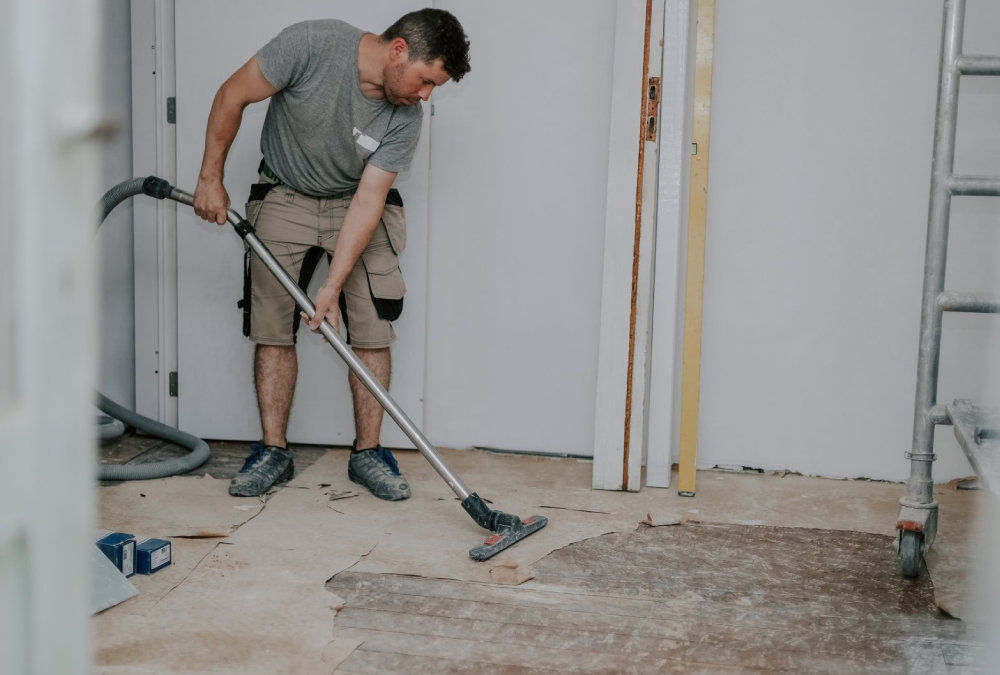
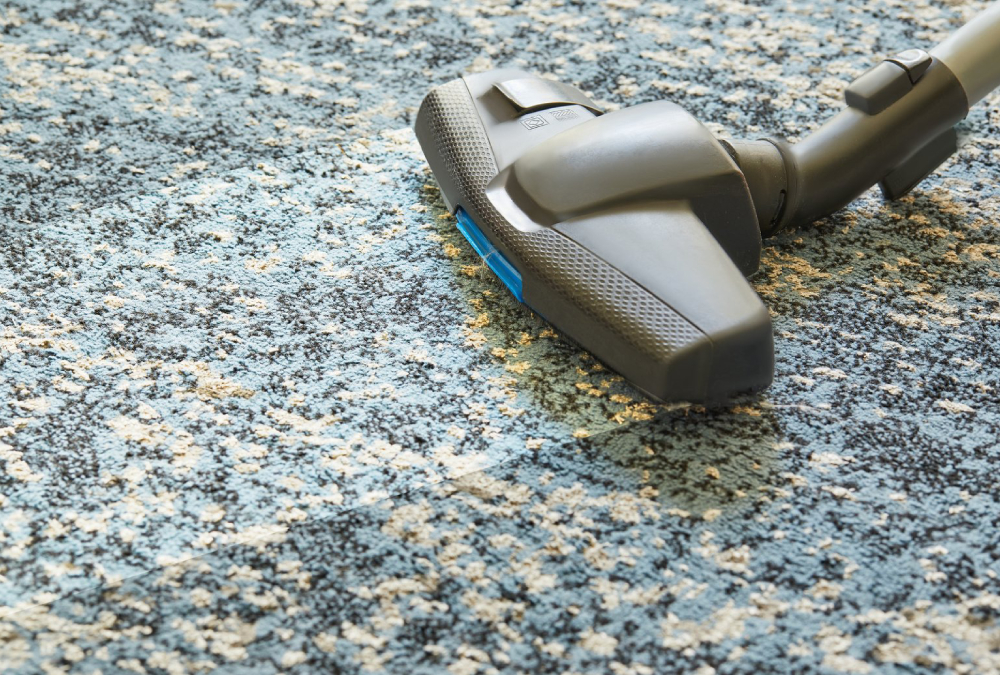
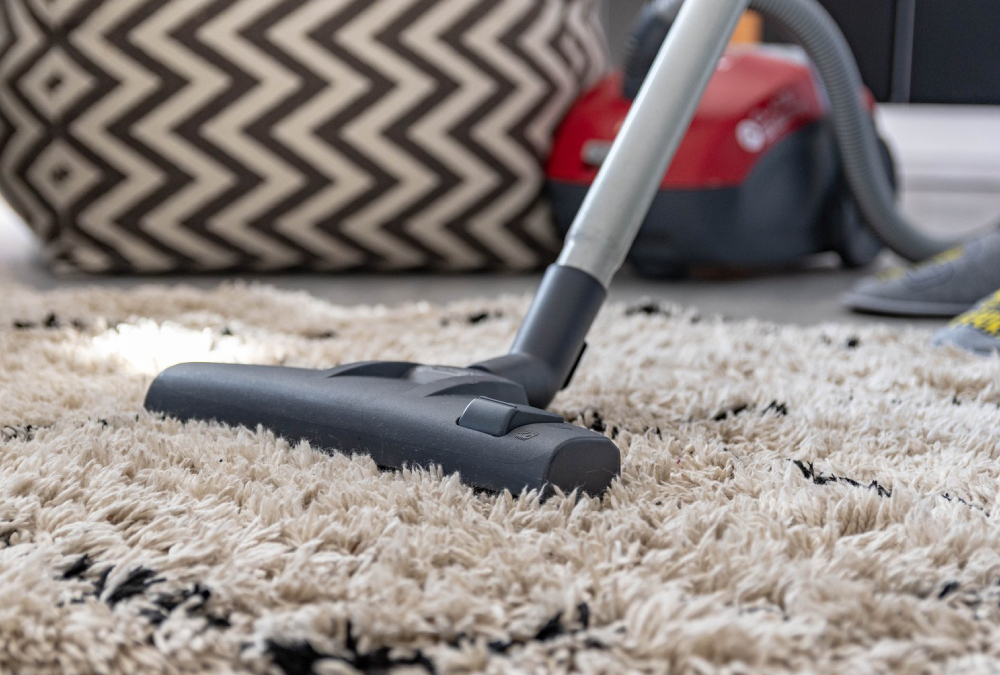
Vacuuming is important—but limited.
What vacuuming does:
- Removes surface dirt
- Picks up loose debris
What it doesn’t do:
- Remove deep stains
- Kill bacteria
- Eliminate odors
- Clean carpet padding
9. Benefits of Regular Carpet Cleaning
1. Extends Carpet Lifespan
Prevents fiber damage and wear.
2. Improves Indoor Air Quality
Removes trapped allergens and dust.
3. Removes Stains and Odors
Keeps carpets fresh and clean.
4. Enhances Home Appearance
Makes rooms look brighter and cleaner.
5. Supports Better Hygiene
Reduces bacteria and germs in your home.
10. Professional Cleaning vs DIY Cleaning Frequency
DIY cleaning:
- Frequent surface cleaning
- Not effective for deep dirt
Professional cleaning:
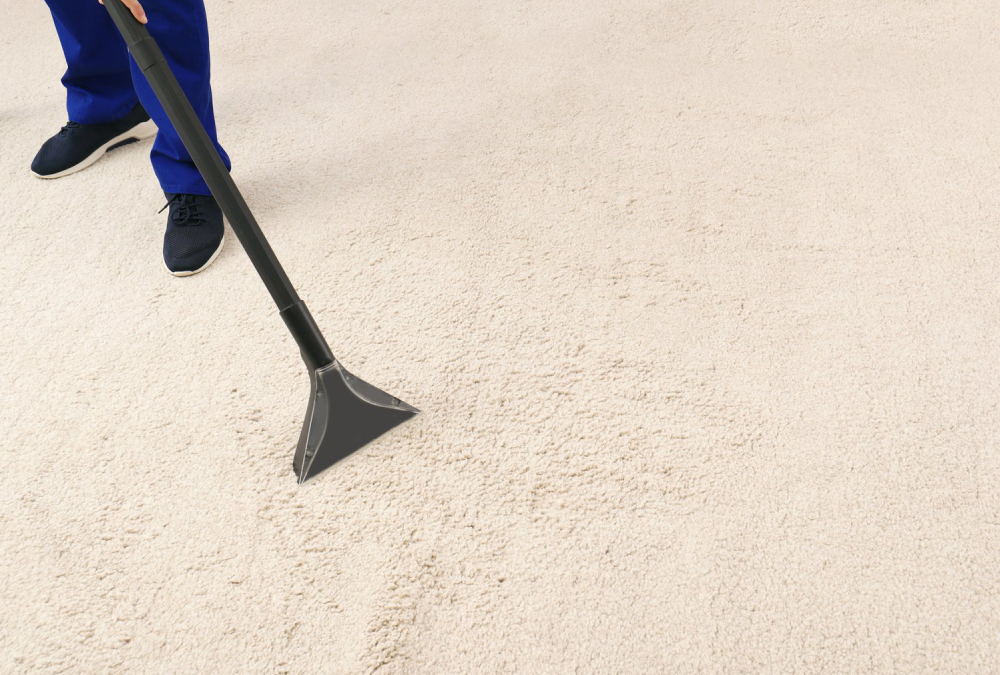
- Deep extraction cleaning
- Recommended 1–2 times per year minimum
Final Thoughts
How often you should clean your carpets depends on your household lifestyle, traffic level, pets, and environment. In Chicagoland homes, where weather and seasonal conditions heavily affect carpets, regular professional cleaning is essential.
A proper carpet cleaning schedule ensures:
- Cleaner indoor air
- Longer carpet lifespan
- Better hygiene
- Fresher living spaces
In short, consistent carpet cleaning is not optional—it is essential maintenance for a healthy home environment.