Cleaning in clinics and healthcare centers is not the same as cleaning in offices, retail stores, or homes. It follows strict protocols designed to prevent infection, ensure patient safety, and meet regulatory requirements. In cities like Chicago, where healthcare facilities serve large and diverse populations, maintaining high cleaning standards is essential for safe and effective medical care.
This guide outlines the key cleaning standards every clinic and healthcare center must follow to maintain hygiene, compliance, and patient trust.
Why Cleaning Standards Matter in Healthcare
Healthcare environments deal with:
- Blood and bodily fluids
- Infectious diseases
- Vulnerable patients
- Medical procedures
Without strict cleaning standards, the risk of contamination increases significantly.
Core purpose of cleaning standards:
- Prevent infection spread
- Maintain patient safety
- Ensure regulatory compliance
- Support clinical efficiency
1. Infection Control Protocols
Infection control is the foundation of healthcare cleaning standards.
Key requirements:
- Use hospital-grade disinfectants
- Follow EPA-approved cleaning agents
- Clean from clean areas to dirty areas
- Use color-coded cleaning materials
Why it matters:
This prevents cross-contamination between different zones in the facility.
2. High-Touch Surface Disinfection
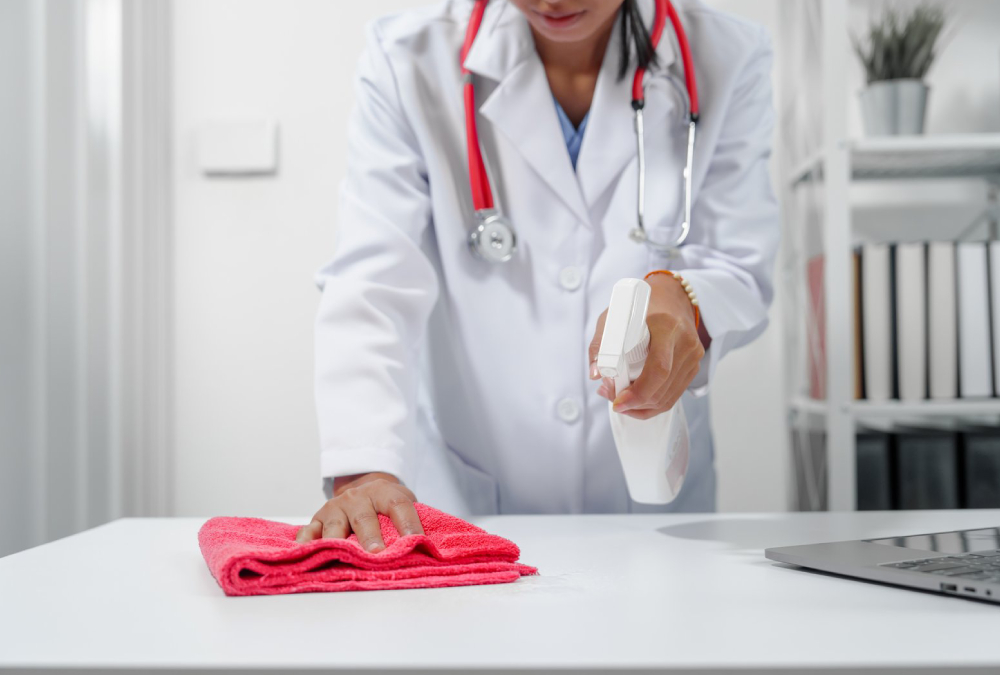
High-touch surfaces are major sources of germ transmission.
Must be disinfected frequently:
- Door handles
- Light switches
- Bed rails
- Countertops
- Medical equipment surfaces
- Waiting room chairs
Cleaning frequency:
- Multiple times daily in high-traffic areas
- After every patient contact in sensitive areas
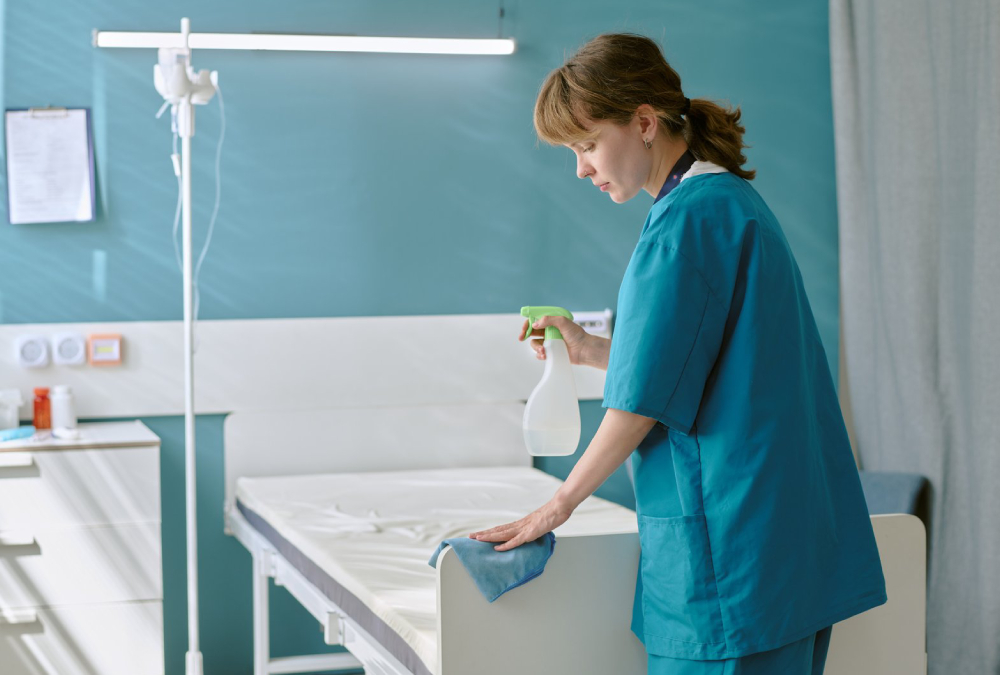
3. Patient Room Cleaning Standards
Patient rooms require the highest level of sanitation.
Cleaning requirements include:
- Disinfection of all surfaces
- Replacement of disposable items
- Cleaning of bed frames and mattresses
- Sanitizing bathrooms
- Floor disinfection
Special focus:
All visible and hidden surfaces must be cleaned between patient visits.
4. Medical Equipment Cleaning
Medical tools and equipment must be cleaned carefully to avoid contamination.
Standards include:
- Disinfection after every use
- Use of approved sterilization methods
- Proper handling of sensitive devices
- Following manufacturer guidelines
Important note:
Improper cleaning of equipment can lead to serious infection risks.
5. Restroom Hygiene Standards
Restrooms in healthcare facilities require strict cleaning schedules.
Required tasks:
- Disinfect toilets and sinks
- Clean floors with medical-grade disinfectants
- Refill soap and sanitizers
- Remove waste regularly
Frequency:
Often cleaned multiple times per day depending on usage.
6. Waste Management and Disposal
Medical waste must be handled with extreme care.
Types of waste:
- Biohazard waste
- Sharps (needles, blades)
- Contaminated materials
- General waste
Standards include:
- Proper segregation
- Use of labeled containers
- Safe disposal procedures
- Compliance with regulations
7. Air Quality and Ventilation Standards
Air hygiene is just as important as surface cleaning.
Requirements:
- Regular HVAC cleaning
- Use of HEPA filters
- Proper ventilation systems
- Control of airborne pathogens
Why it matters:
Airborne particles can spread infections rapidly in enclosed spaces.
8. Cleaning Frequency Standards
Different areas require different cleaning schedules.
High-risk areas:
- Cleaned multiple times per day
Moderate-risk areas:
- Cleaned daily
Low-risk areas:
- Cleaned on scheduled intervals
9. Staff Hygiene and Cleaning Procedures
Cleaning staff must follow strict protocols.
Standards include:
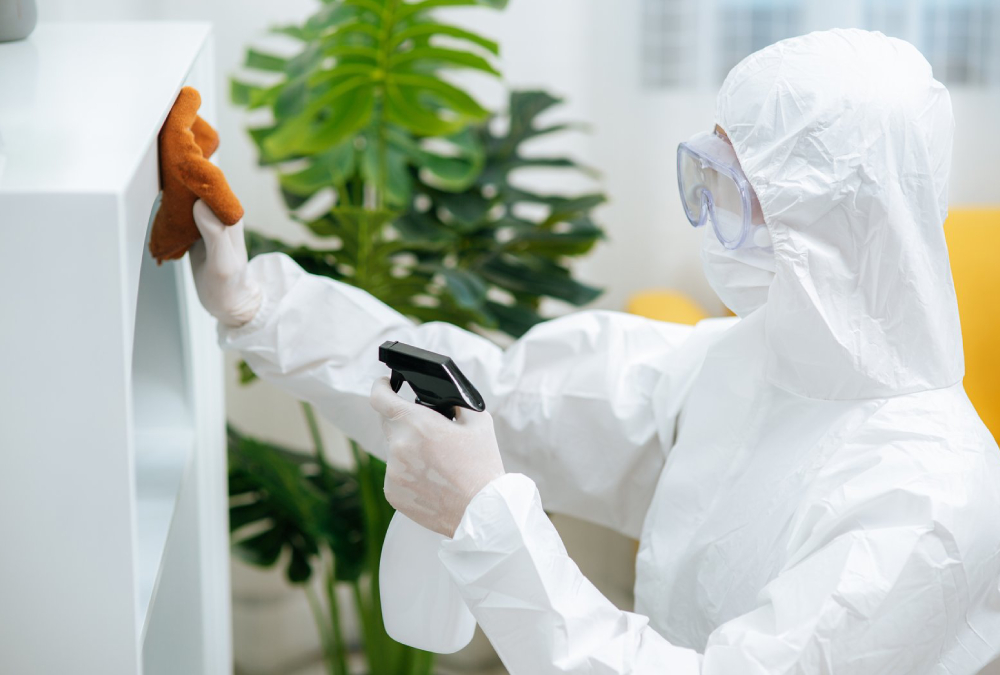
- Wearing protective equipment (PPE)
- Proper hand hygiene
- Training in infection control
- Following cleaning checklists
Why it matters:
Proper training ensures consistent and safe cleaning practices.
10. Documentation and Compliance Tracking
Healthcare cleaning is not just physical work—it also requires documentation.
Records include:
- Cleaning logs
- Disinfection schedules
- Inspection reports
- Compliance checklists
Purpose:
Ensures accountability and regulatory compliance.
11. Use of Color-Coded Cleaning Systems
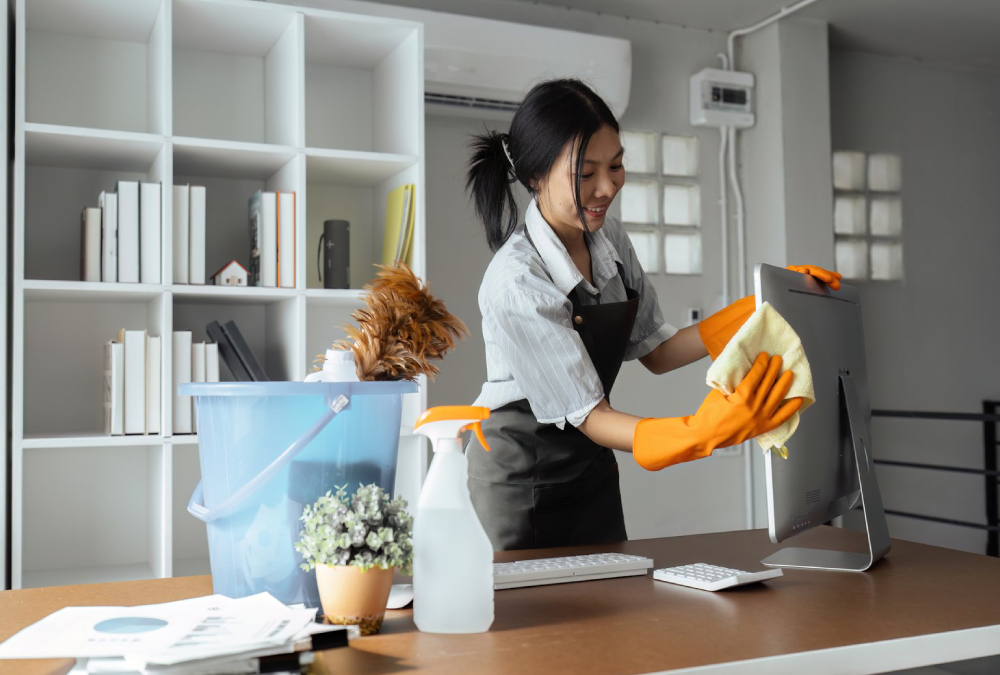
To prevent cross-contamination, many healthcare facilities use color-coded tools.
Example system:
- Red: Bathrooms
- Blue: General areas
- Green: Kitchens
- Yellow: High-risk zones
Benefit:
Prevents bacteria transfer between different areas.
12. Emergency Cleaning Protocols
Healthcare facilities must be prepared for:
- Blood spills
- Infectious outbreaks
- Emergency procedures
Requirements:
- Immediate response cleaning
- Use of high-level disinfectants
- Isolation procedures if needed
Common Mistakes in Healthcare Cleaning
1. Using standard cleaning products
Not strong enough for medical environments.
2. Skipping high-touch areas
Major source of infection spread.
3. Inconsistent cleaning schedules
Leads to contamination risk.
4. Poor waste management
Can cause serious safety hazards.
Final Thoughts
Cleaning standards in clinics and healthcare centers are designed to protect lives—not just maintain appearance. In a high-demand healthcare environment like Chicago, strict adherence to these standards ensures patient safety, regulatory compliance, and operational efficiency.
A well-maintained healthcare facility:
- Reduces infection risks
- Builds patient trust
- Protects staff and visitors
- Maintains professional credibility
In healthcare, cleanliness is not optional—it is a critical part of patient care.