As more homeowners and businesses become aware of health, environmental impact, and indoor air quality, green cleaning has emerged as a smarter and safer alternative to traditional cleaning methods. In busy Chicagoland homes, where people spend a significant amount of time indoors—especially during long winters—cleaning methods directly affect health and comfort.
Green cleaning is not just a trend—it is a responsible and effective approach to maintaining a clean, healthy, and sustainable environment.
This guide explains what green cleaning is, how it works, and why it matters for your home, family, and the environment.
What Is Green Cleaning?
Green cleaning refers to the use of environmentally friendly cleaning methods and products that minimize harm to:
- Human health
- Indoor air quality
- Surfaces and materials
- The environment
Key characteristics of green cleaning:
- Uses non-toxic ingredients
- Avoids harsh chemicals
- Reduces environmental impact
- Focuses on sustainability
- Promotes healthier living spaces
In simple terms:
Green cleaning means cleaning your home without exposing yourself or the environment to harmful chemicals.
Traditional Cleaning vs Green Cleaning
Understanding the difference helps explain why green cleaning matters.
Traditional Cleaning Methods
Often use:
- Strong chemical cleaners
- Bleach-based solutions
- Artificial fragrances
- Harsh disinfectants
Problems with traditional cleaning:
- Releases toxic fumes
- Causes skin and eye irritation
- Triggers allergies or asthma
- Leaves chemical residue on surfaces
Green Cleaning Methods
Use:
- Natural or plant-based ingredients
- Biodegradable products
- Safe cleaning techniques
- Minimal chemical exposure
Result:
Safer, healthier, and more sustainable cleaning.
Why Green Cleaning Matters
1. Protects Your Health
Many cleaning products contain chemicals that can be harmful when inhaled or touched.
Common harmful effects:
- Respiratory irritation
- Skin allergies
- Headaches
- Eye irritation
- Long-term health risks
Green cleaning reduces:
Exposure to these harmful substances, making your home safer.
2. Improves Indoor Air Quality
Indoor air is often more polluted than outdoor air.
Why:
- Chemical cleaners release volatile organic compounds (VOCs)
- These chemicals remain in the air for long periods
Green cleaning helps:
- Reduce indoor air pollution
- Maintain fresh, breathable air
- Improve comfort in closed environments
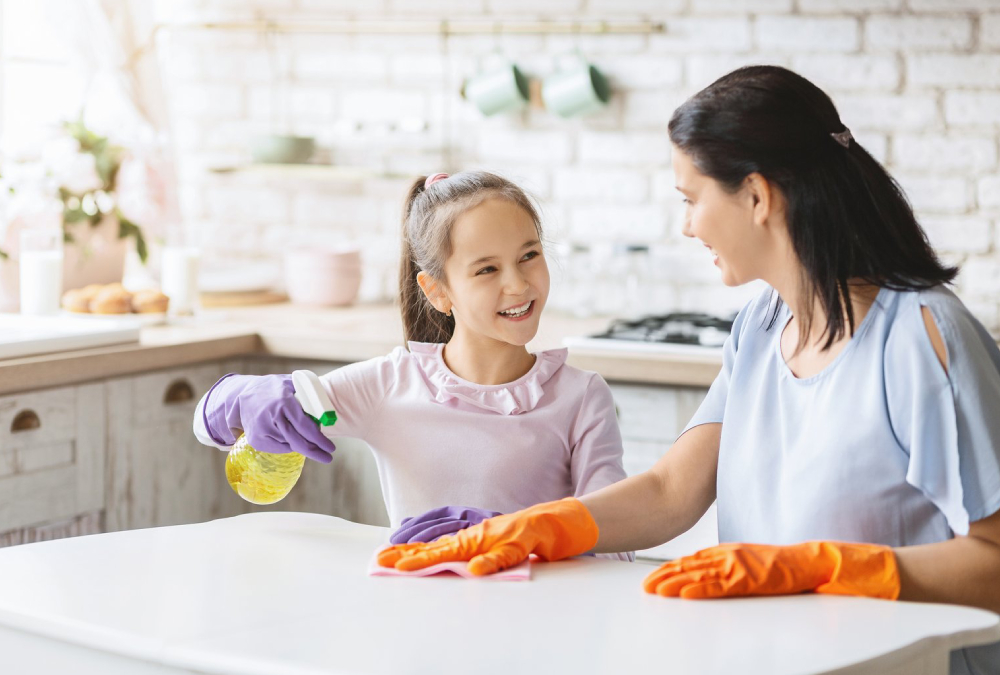
3. Safer for Children and Pets
Children and pets are more vulnerable to chemicals.
Risks from traditional cleaning:
- Contact with surfaces
- Ingesting residues
- Breathing toxic fumes
Green cleaning advantage:
Uses non-toxic ingredients that are safer for daily living.
4. Environmentally Responsible
Traditional cleaning products often:
- Pollute water systems
- Harm wildlife
- Contribute to environmental damage
Green cleaning focuses on:
- Biodegradable ingredients
- Reduced waste
- Eco-friendly packaging
5. Reduces Chemical Residue on Surfaces
After cleaning, many chemical products leave invisible residues.
Where residue stays:
- Kitchen counters
- Dining tables
- Floors
- Bathroom surfaces
Green cleaning ensures:
Surfaces are safe for daily contact.
6. Maintains Surface Quality and Longevity
Harsh chemicals can damage surfaces over time.
Examples:
- Fading paint
- Damaged wood finishes
- Worn-out fabrics
- Corroded fixtures
Green cleaning protects:
Your home’s materials and finishes.
7. Supports a Sustainable Lifestyle
Green cleaning aligns with a broader eco-friendly lifestyle.
Includes:
- Reducing waste
- Using reusable materials
- Conserving resources
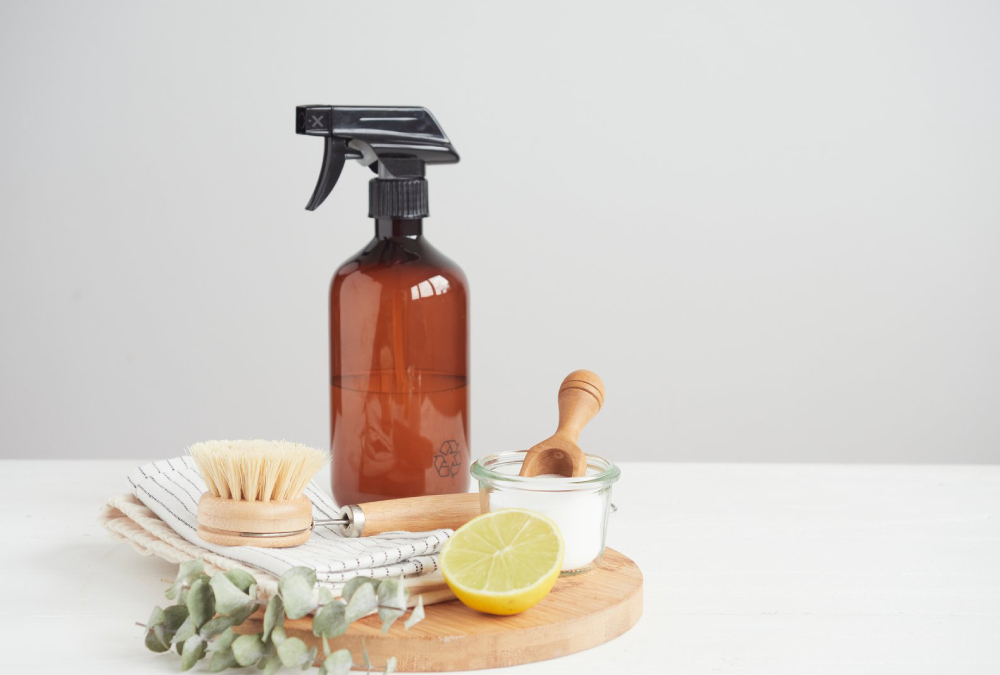
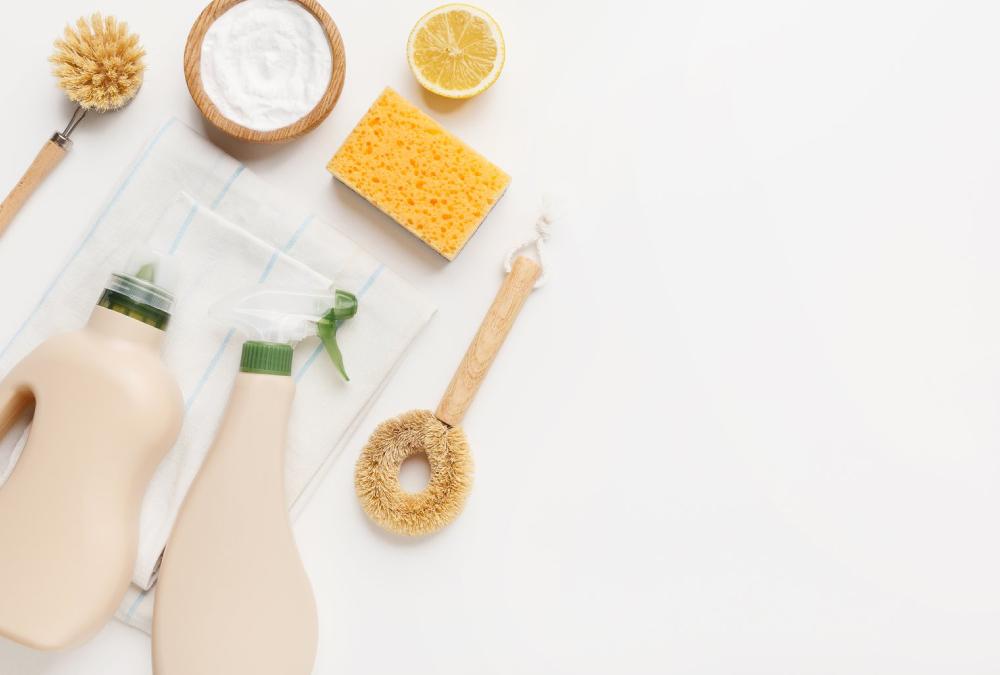
Common Green Cleaning Ingredients
Green cleaning does not mean weak cleaning. Many natural ingredients are highly effective.
1. Vinegar
- Removes stains and odors
- Cuts grease
- Disinfects surfaces
2. Baking Soda
- Scrubs surfaces gently
- Removes odors
- Cleans tough stains
3. Lemon
- Natural disinfectant
- Removes grease
- Leaves fresh scent
4. Mild Dish Soap
- Effective for everyday cleaning
- Gentle on surfaces
Green Cleaning Methods in Daily Life
1. Use microfiber cloths
They clean effectively without chemicals.
2. Reduce product usage
Less product = less chemical exposure.
3. Clean regularly
Prevents heavy buildup that requires strong cleaners.
4. Ventilate while cleaning
Allows fresh air circulation.
Green Cleaning for Different Areas
Kitchen:
- Vinegar for countertops
- Baking soda for sinks
- Natural degreasers
Bathroom:
- Vinegar for tiles
- Baking soda for scrubbing
- Lemon for odor removal
Floors:
- Mild soap solutions
- Microfiber mopping
Windows:
- Vinegar + water solution
- Lint-free cloth for streak-free finish
Challenges of Green Cleaning
1. Perception of lower effectiveness
Many believe natural products are weaker.
Reality:
When used correctly, green cleaning is highly effective.
2. Requires consistency
Regular cleaning is needed to avoid heavy buildup.
3. Learning new methods
Switching from chemical cleaners may take time.
Green Cleaning in Chicagoland Homes
Chicago homes face:
- Dust from seasonal changes
- Indoor air concerns during winter
- High foot traffic
Green cleaning helps by:
- Improving indoor air quality
- Reducing chemical exposure
- Maintaining a healthier living environment
Benefits Summary
Green cleaning provides:
- Healthier indoor air
- Reduced chemical exposure
- Safer surfaces for families
- Environmental protection
- Long-term cost efficiency
- Better overall well-being
Common Misconceptions
Green cleaning is less effective
It is effective when used properly
It’s expensive
Many solutions use affordable household items
It takes more time
With routine use, it saves time by preventing buildup
Final Thoughts
Green cleaning is more than just an alternative—it is a smarter, safer, and more responsible way to maintain your home. In Chicagoland households, where indoor living is significant for much of the year, reducing chemical exposure and improving air quality is essential.
By switching to green cleaning methods, you:
- Protect your health
- Improve your home environment
- Reduce environmental impact
- Create a safer space for your family
In short, green cleaning is not just about cleaning better—it’s about living better.