Creating a clean home is important—but when children are involved, safety becomes just as important as cleanliness. Many traditional cleaning methods rely on strong chemicals that may remove dirt effectively but can leave behind harmful residues, fumes, and risks for children.
In Chicagoland homes, where kids spend a lot of time indoors—especially during colder months—cleaning habits directly affect their health, comfort, and safety. Children are more sensitive to chemicals than adults because of their developing bodies, frequent floor contact, and tendency to touch surfaces and put hands in their mouths.
This guide explains how to keep your home clean and safe for kids using smart, practical, and effective cleaning practices.
Why Cleaning Safety Matters for Kids
Children are more vulnerable to environmental exposure.
Reasons include:
- They breathe faster than adults
- Their immune systems are still developing
- They crawl and play on floors
- They frequently touch surfaces and objects
Common risks from unsafe cleaning:
- Skin irritation
- Breathing problems
- Allergic reactions
- Accidental ingestion of chemicals
1. Choose Non-Toxic Cleaning Products
The most important step is selecting safe cleaning solutions.
Avoid products with:
- Bleach
- Ammonia
- Strong artificial fragrances
- Harsh chemical labels
Choose instead:
- Plant-based cleaners
- Fragrance-free products
- Natural cleaning solutions
Why it matters:
Kids come into direct contact with cleaned surfaces.
2. Store Cleaning Products Safely
Even safe products should be stored properly.
Best practices:
- Keep products out of reach
- Use locked cabinets
- Avoid storing under sinks without safety locks
Important:
Never leave cleaning supplies unattended during use.
3. Clean Floors More Frequently
Floors are where children spend most of their time.
Focus on:
- Daily sweeping or vacuuming
- Regular mopping with mild solutions
- Removing spills immediately
Why:
Reduces dirt, bacteria, and chemical exposure.
4. Avoid Strong Chemical Residue
Residue left behind can be harmful.
Where it matters most:
- Floors
- Tables
- Toys
- High-touch surfaces
Tip:
Always wipe surfaces with a damp cloth after cleaning if using any product.
5. Improve Indoor Air Quality While Cleaning
Air quality is just as important as surface cleanliness.
Do this:
- Open windows while cleaning
- Use fans for ventilation
- Avoid aerosol sprays
Benefit:
Reduces inhalation of harmful fumes.
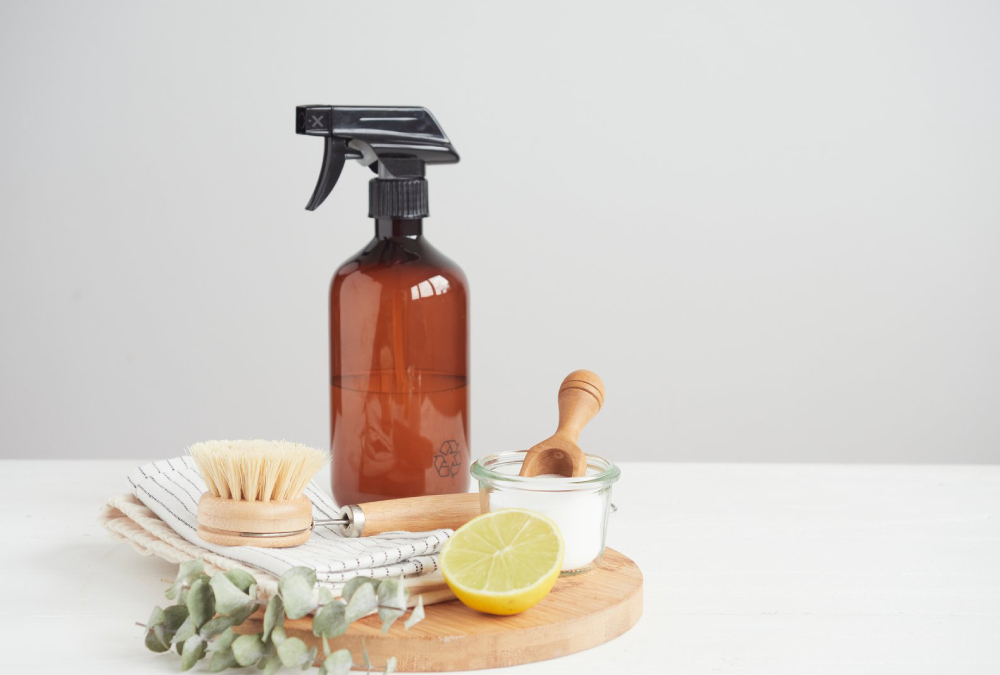
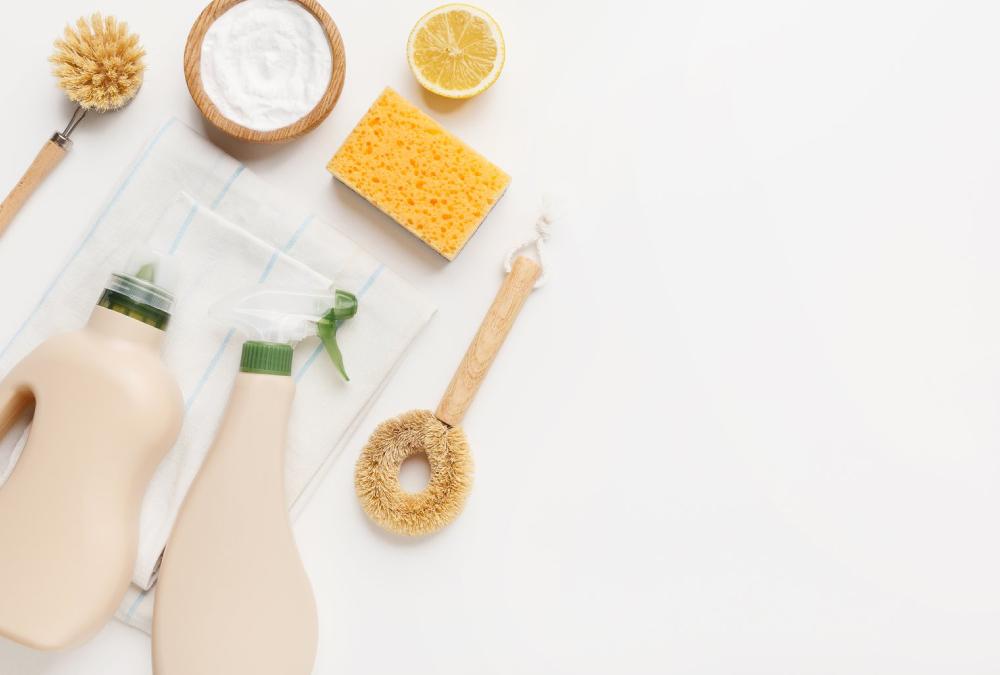
6. Use Simple Natural Cleaning Ingredients
Many natural ingredients are safe and effective.
Examples:
- Vinegar (for general cleaning)
- Baking soda (for scrubbing)
- Lemon (for freshness and grease removal)
Why they work:
They clean without leaving toxic residue.
7. Focus on High-Touch Areas
Children frequently touch certain surfaces.
Clean regularly:
- Door handles
- Light switches
- Toys
- Tabletops
- Chairs
Benefit:
Reduces spread of germs and bacteria.
8. Clean Toys Safely
Toys are constantly handled and often placed in mouths.
Safe cleaning method:
- Wash with mild soap and water
- Rinse thoroughly
- Air dry completely
Avoid:
Strong chemical disinfectants on toys.
9. Vacuum with HEPA Filters
Dust can carry allergens and particles harmful to kids.
Use:
- HEPA-filter vacuum cleaners
- Regular vacuuming schedule
Focus on:
- Carpets
- Rugs
- Upholstery
10. Avoid Artificial Air Fresheners
Air fresheners may contain harmful chemicals.
Instead use:
- Fresh air ventilation
- Natural scents like lemon
- Clean environment to reduce odors
11. Clean Spills Immediately
Spills can lead to bacteria growth and stains.
Quick action prevents:
- Germ buildup
- Sticky residue
- Hard-to-clean stains
12. Wash Hands After Cleaning
Even safe cleaning requires hygiene.
Teach kids:
- Wash hands regularly
- Avoid touching surfaces during cleaning
13. Keep Cleaning Tools Clean
Dirty tools spread dirt and bacteria.
Maintain:
- Wash microfiber cloths
- Clean mop heads
- Replace worn-out sponges
14. Avoid Mixing Cleaning Products
Mixing products can create harmful reactions.
Example risks:
- Toxic fumes
- Chemical reactions
Rule:
Stick to one product at a time.
15. Create a Safe Cleaning Routine
Consistency is key for a safe home.
Routine includes:
- Daily light cleaning
- Weekly deeper cleaning
- Immediate spill cleanup
Benefits of Safe Cleaning for Kids
1. Healthier Living Environment
Reduces exposure to harmful chemicals.
2. Better Indoor Air Quality
Keeps air fresh and breathable.
3. Reduced Allergies and Irritation
Prevents skin and respiratory issues.
4. Safer Play Areas
Ensures floors and surfaces are safe for children.
5. Peace of Mind for Parents
Confidence that your home is truly safe.
Common Mistakes to Avoid
1. Using strong chemicals on floors
Kids have direct contact with floors.
2. Leaving cleaning products accessible
Increases risk of accidents.
3. Overusing cleaning solutions
Leaves harmful residue behind.
4. Ignoring air quality
Fumes can affect breathing.
Final Thoughts
Keeping your home clean is essential—but keeping it safe for kids is even more important. By choosing non-toxic products, maintaining proper cleaning habits, and focusing on high-contact areas, you can create a home that is both clean and safe for your children.
In Chicagoland homes, where indoor living is a big part of daily life, safe cleaning practices ensure:
- Healthy indoor air
- Safe surfaces for play
- Reduced exposure to harmful chemicals
- A comfortable environment for growing families
In short, a truly clean home is one where your children can play, explore, and live safely every day.