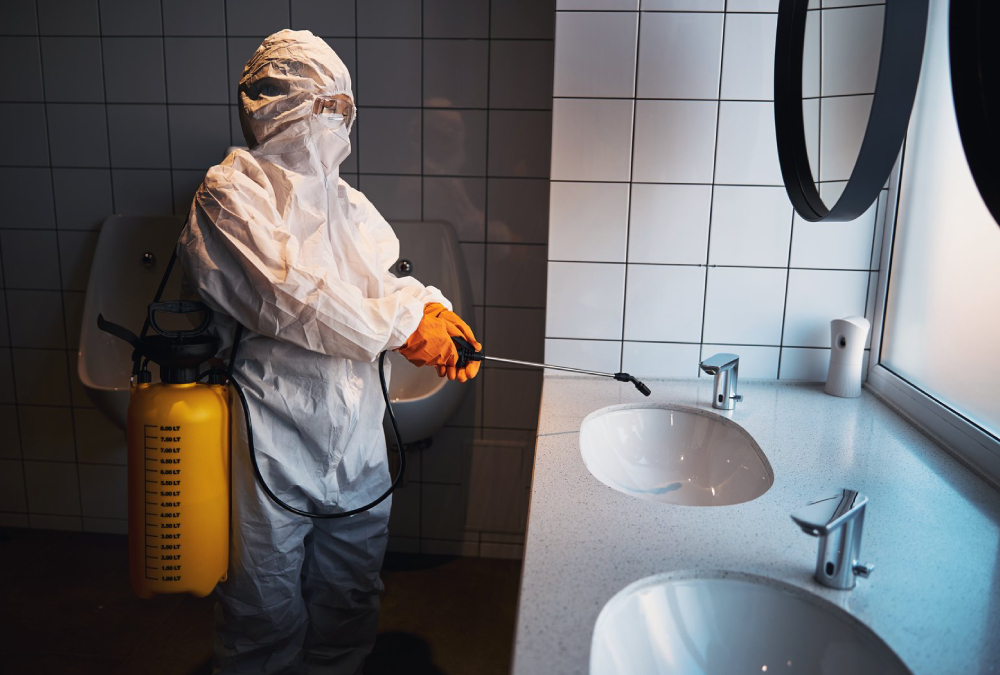
Bathroom sanitization is one of the most important aspects of home hygiene, yet it is often underestimated. Because bathrooms are constantly exposed to moisture, heat, and human waste particles, they become one of the highest-risk areas for bacteria and virus growth in any home or commercial space.
In busy Chicago households, shared bathrooms, and high-traffic environments, proper sanitization is not just about cleanliness—it is about protecting health and preventing disease.
This article explains why bathroom sanitization is critical and what makes it essential for every home and facility.
Why Bathrooms Are High-Risk Areas
Bathrooms naturally create the perfect environment for germs due to:
- Constant moisture
- Warm temperatures
- Organic waste exposure
- Frequent human contact
- Poor ventilation in many homes
The result:
Even a “visibly clean” bathroom can still contain harmful microorganisms.
1. Prevents the Spread of Harmful Bacteria
Bathrooms can harbor dangerous bacteria such as:
- E. coli
- Staphylococcus
- Salmonella
How they spread:
- Through unwashed hands
- Contaminated surfaces
- Airborne particles from flushing
- Shared towels or accessories
Sanitization benefit:
Regular disinfection kills bacteria before they can spread throughout the home.
2. Reduces Viral Infections
Bathrooms can also spread viruses, especially in shared households.
Common risks include:
- Flu viruses
- Norovirus
- Cold viruses
Why it happens:
Viruses can survive on surfaces like:
- Door handles
- Faucets
- Toilet seats
- Light switches
Sanitization impact:
Proper cleaning reduces virus survival time on surfaces.
3. Prevents Mold and Fungal Growth
Moisture makes bathrooms ideal for mold and fungus.
Common areas affected:
- Shower walls
- Tile grout
- Ceiling corners
- Sink areas
Health risks of mold:
- Allergic reactions
- Asthma flare-ups
- Respiratory irritation
Sanitization benefit:
Stops mold spores from growing and spreading.
4. Protects Vulnerable Family Members
Some individuals are more sensitive to bathroom germs.
High-risk groups include:
- Children
- Elderly individuals
- People with weak immune systems
Why sanitization matters:
It reduces exposure to harmful microorganisms that can cause serious illness.
5. Improves Air Quality in the Home
Bathrooms directly impact indoor air quality.
Without proper sanitization:
- Bad odors increase
- Mold spores circulate
- Air becomes humid and unhealthy
With sanitization:
- Air feels fresher
- Moisture is controlled
- Germ levels are reduced
6. Prevents Cross-Contamination
Germs from bathrooms can spread to other areas of the home.
Common transfer points:
- Towels
- Hands
- Flooring
- Clothing
Sanitization impact:
Stops the movement of bacteria from bathroom to kitchen, bedrooms, and living spaces.
7. Maintains a Hygienic Living Environment
A sanitized bathroom supports overall home hygiene.
Benefits include:
- Cleaner surfaces throughout the home
- Reduced illness risk
- Better daily comfort
8. Reduces Unpleasant Odors
Bad bathroom smells are usually caused by bacteria buildup.
Sources include:
- Drains
- Toilets
- Moist surfaces
- Hidden grime
Sanitization helps by:
- Killing odor-causing bacteria
- Cleaning hidden buildup
- Maintaining freshness
9. Essential for Shared and Commercial Spaces
In places like:
- Offices
- Gyms
- Clinics
- Restaurants
Why it’s critical:
Higher usage = higher germ spread risk.
10. Supports Mental Comfort and Well-Being
A clean, sanitized bathroom creates:
- Peace of mind
- Comfort
- A sense of safety
Psychological effect:
People feel healthier in a well-sanitized environment.
Common Mistakes That Reduce Sanitization Effectiveness
1. Only cleaning visible areas
Hidden germs remain active.
2. Using non-disinfecting cleaners
Soap alone does not kill bacteria.
3. Ignoring high-touch surfaces
These spread germs the fastest.
4. Poor ventilation
Allows bacteria and mold to grow rapidly.
Best Practices for Bathroom Sanitization
1. Use disinfectants regularly
Not just daily cleaning products.
2. Focus on high-touch points
Handles, switches, and flush areas.
3. Maintain a cleaning schedule
- Daily light cleaning
- Weekly deep cleaning
- Monthly full sanitization
4. Ensure proper airflow
Use fans or open windows to reduce moisture.
Final Thoughts
Bathroom sanitization is not just a cleaning task—it is a critical health practice. In homes and businesses across Chicago, maintaining a sanitized bathroom helps prevent disease, control mold, and protect overall well-being.
A properly sanitized bathroom:
- Reduces infection risk
- Prevents mold growth
- Improves air quality
- Protects vulnerable individuals
- Enhances overall hygiene
In short, bathroom sanitization is one of the most important steps in maintaining a truly healthy environment.