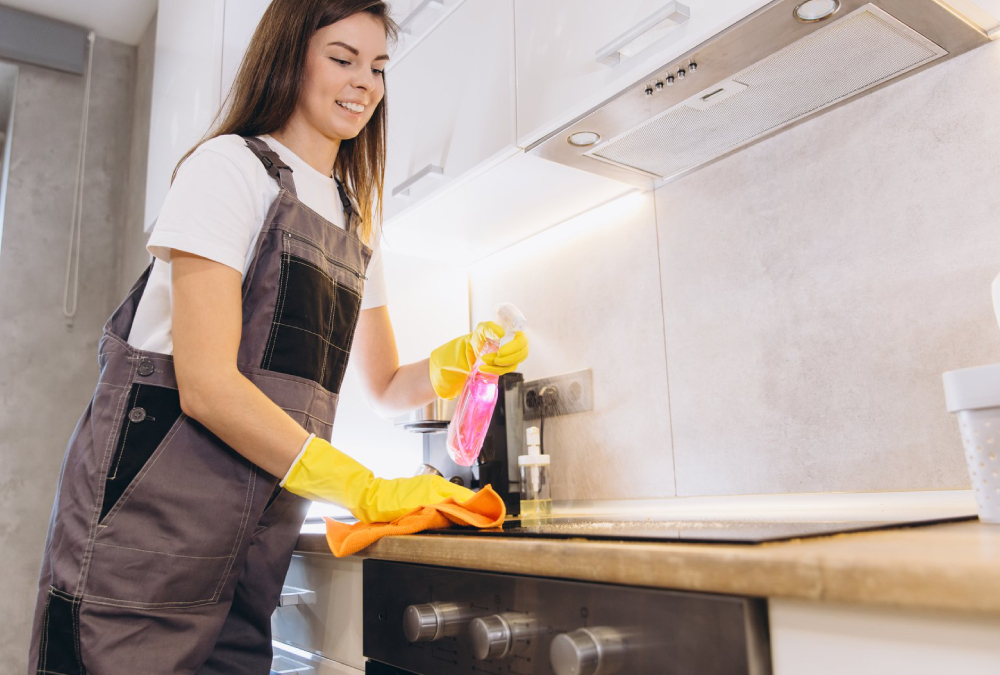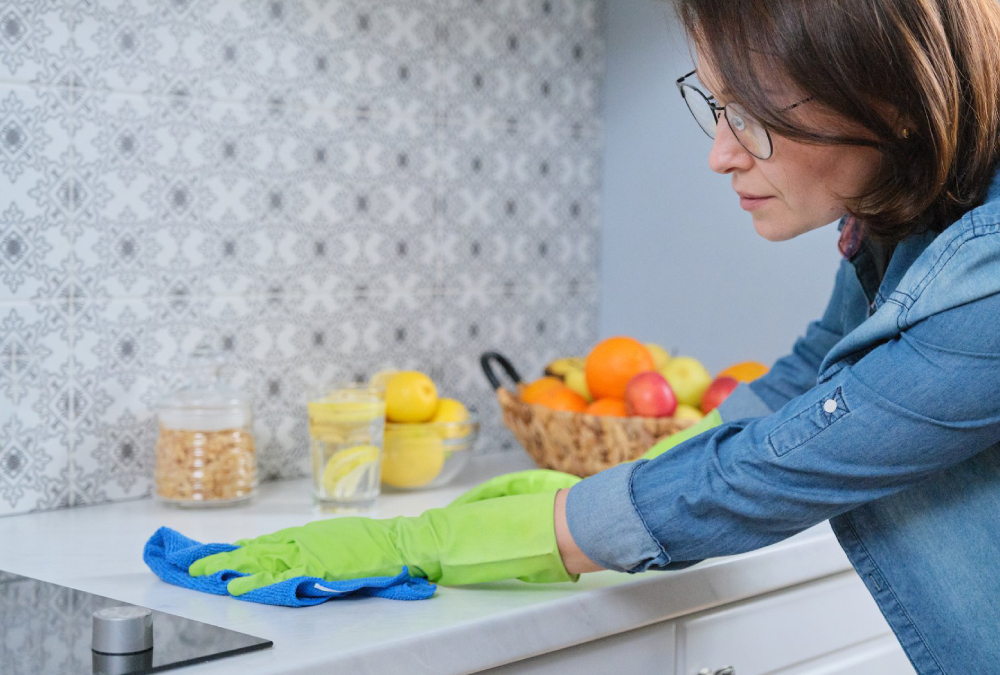
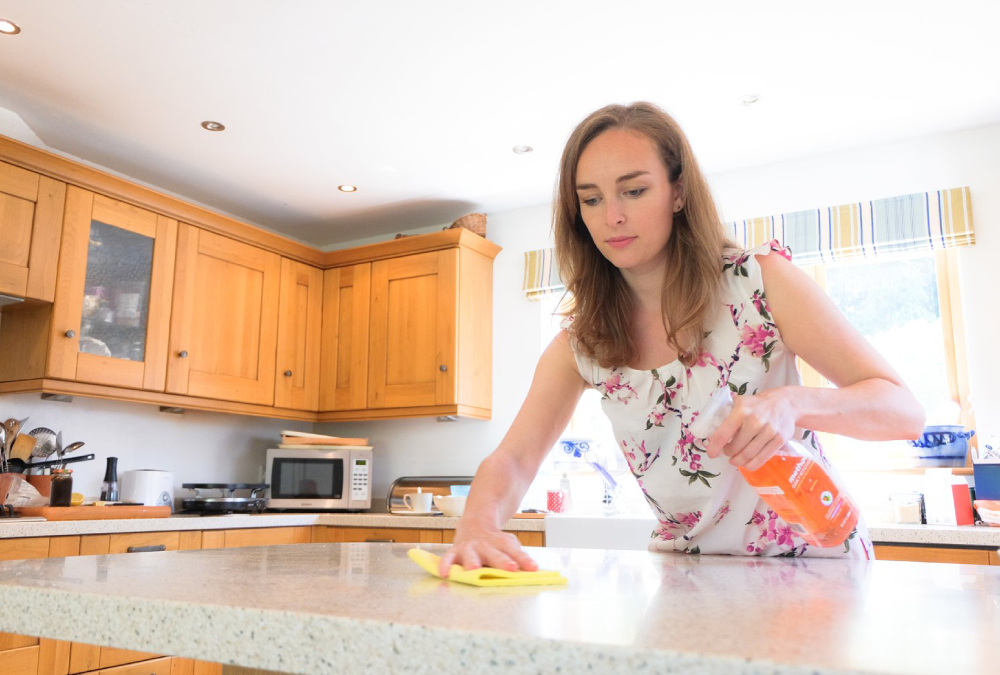
The kitchen is the heart of every home, but it’s also one of the most overlooked areas when it comes to deep cleaning. In busy households across Chicago, kitchens quickly accumulate grease, food residue, bacteria, and hidden grime that regular cleaning often misses.
Deep cleaning your kitchen is not just about making it look good—it’s about creating a safe, hygienic, and healthy cooking environment.
This guide will walk you through how to deep clean your kitchen like a professional cleaning service.
Why Kitchen Deep Cleaning Matters
Unlike surface cleaning, deep cleaning targets hidden dirt and bacteria that build up over time.
Without deep cleaning, kitchens can have:
- Grease buildup on surfaces
- Bacteria in sink drains
- Mold in hidden corners
- Food residue behind appliances
- Strong odors
Result:
A kitchen that looks clean may still be unhygienic without proper deep cleaning.
1. Start by Decluttering the Kitchen
Before deep cleaning, remove everything unnecessary.
Steps:
- Clear countertops
- Remove items from cabinets
- Take out appliances (toaster, blender, etc.)
- Empty sink area
Why this matters:
You need full access to surfaces for proper cleaning.
2. Deep Clean Kitchen Cabinets
Cabinets collect grease, dust, and food particles over time.
How to clean:
- Empty all cabinets
- Wipe inside and outside surfaces
- Clean handles and edges
- Remove sticky grease buildup
Pro tip:
Use a mild degreaser for kitchen cabinets near cooking areas.
3. Clean Kitchen Appliances Thoroughly
Appliances are major dirt and grease hotspots.
Refrigerator:
- Remove all food items
- Wipe shelves and drawers
- Clean door seals
Oven:
- Remove racks
- Clean grease buildup inside
- Wipe exterior surface
Microwave:
- Steam clean interior
- Wipe spills and stains
- Clean exterior buttons
4. Deep Clean Kitchen Surfaces
Countertops and surfaces need proper sanitization.
Steps:
- Wipe all countertops
- Disinfect food preparation areas
- Clean backsplash tiles
- Remove grease stains
Important:
Always use food-safe cleaning products.
5. Sink and Drain Cleaning
Kitchen sinks can contain more bacteria than toilets if not cleaned properly.
How to clean:
- Scrub sink basin thoroughly
- Clean faucet and handles
- Remove drain buildup
- Use disinfectant for sanitization
Pro tip:
Pour baking soda and vinegar occasionally to reduce odors and buildup.
6. Stove and Cooktop Cleaning
This is one of the greasiest areas in any kitchen.
Steps:
- Remove burners or grates
- Clean grease and oil buildup
- Wipe control knobs
- Clean surrounding area
Why it matters:
Grease buildup can become a fire hazard if ignored.
7. Clean Kitchen Floors Properly
Kitchen floors collect food spills, grease, and dust.
Steps:
- Sweep thoroughly
- Mop with degreasing solution
- Clean corners and edges
- Remove sticky spots
8. Clean Hidden Areas
Hidden areas are often missed but very important.
These include:
- Behind refrigerator
- Under stove
- Under cabinets
- Wall corners
9. Trash Area Cleaning
Improper trash maintenance causes odors and bacteria.
Steps:
- Empty trash bins
- Wash bin interior
- Disinfect lid and handles
- Replace liners
10. Final Sanitization
Once everything is cleaned:
Final steps:
- Disinfect all surfaces
- Let area dry completely
- Reorganize items neatly
Benefits of Professional Kitchen Deep Cleaning
1. Eliminates Hidden Germs and Bacteria
Professionals clean areas that are often missed in regular cleaning.
2. Removes Tough Grease Buildup
Industrial-grade cleaning products remove stubborn grease safely and effectively.
3. Improves Kitchen Hygiene
A deep-cleaned kitchen reduces:
- Food contamination risks
- Bacterial growth
- Mold formation
4. Enhances Cooking Safety
A clean kitchen reduces fire hazards and unsafe conditions.
5. Saves Time and Effort
Professional cleaners complete in hours what may take homeowners an entire day.
6. Extends Appliance Life
Regular deep cleaning prevents:
- Damage from grease
- Blockages
- Wear and tear
Common Mistakes in Kitchen Cleaning
1. Only cleaning visible areas
Hidden grease remains untreated.
2. Ignoring appliances inside
Refrigerators and ovens often go uncleaned.
3. Using harsh chemicals incorrectly
Can damage surfaces or leave residues.
4. Not cleaning behind appliances
Major buildup area often forgotten.
DIY vs Professional Kitchen Deep Cleaning
DIY Cleaning
Pros:
- Cost-effective
- Flexible timing
Cons:
- Time-consuming
- Hard to reach deep areas
- Limited equipment
Professional Cleaning
Pros:
- Deep sanitization
- Specialized tools
- Faster results
- Thorough cleaning
Cons:
- Higher cost
Final Thoughts
Deep cleaning your kitchen is essential for maintaining a healthy and safe cooking environment. In busy Chicago households, where kitchens are used daily, regular deep cleaning ensures hygiene, safety, and long-term cleanliness.
A properly deep-cleaned kitchen:
- Prevents bacteria growth
- Improves food safety
- Enhances cooking experience
- Extends appliance life
Simply put, a clean kitchen is the foundation of a healthy home.