A bathroom may look clean at first glance, but it is one of the highest-risk areas in any home when it comes to germs, bacteria, and mold. Because of constant moisture, heat, and daily use, bathrooms in Chicago homes can quickly become breeding grounds for microorganisms if not properly maintained.
Deep cleaning is the only way to ensure a truly germ-free bathroom, not just a visually clean one.
This guide provides practical, professional-level tips to keep your bathroom hygienic, fresh, and safe.
Why Germ-Free Bathrooms Matter
Bathrooms are used multiple times a day, making them a hotspot for:
- Bacteria
- Viruses
- Mold spores
- Fungal growth
The hidden risk:
Even if a bathroom looks clean, germs can still exist on surfaces you touch every day.
1. Focus on High-Touch Surfaces First
High-touch areas spread germs the fastest.
Key surfaces include:
- Faucet handles
- Toilet flush buttons
- Door handles
- Light switches
- Cabinet knobs
Cleaning tip:
Use a strong disinfectant and clean these areas daily for maximum protection.
2. Disinfect the Toilet Properly
The toilet is one of the most bacteria-heavy areas in any bathroom.
Deep cleaning steps:
- Apply toilet disinfectant inside the bowl
- Scrub under the rim thoroughly
- Clean exterior surfaces (seat, lid, base)
- Disinfect flush handle
Pro tip:
Let the cleaner sit for a few minutes before scrubbing for better results.
3. Keep Shower and Bathtub Mold-Free
Moist environments encourage mold growth quickly.
Cleaning steps:
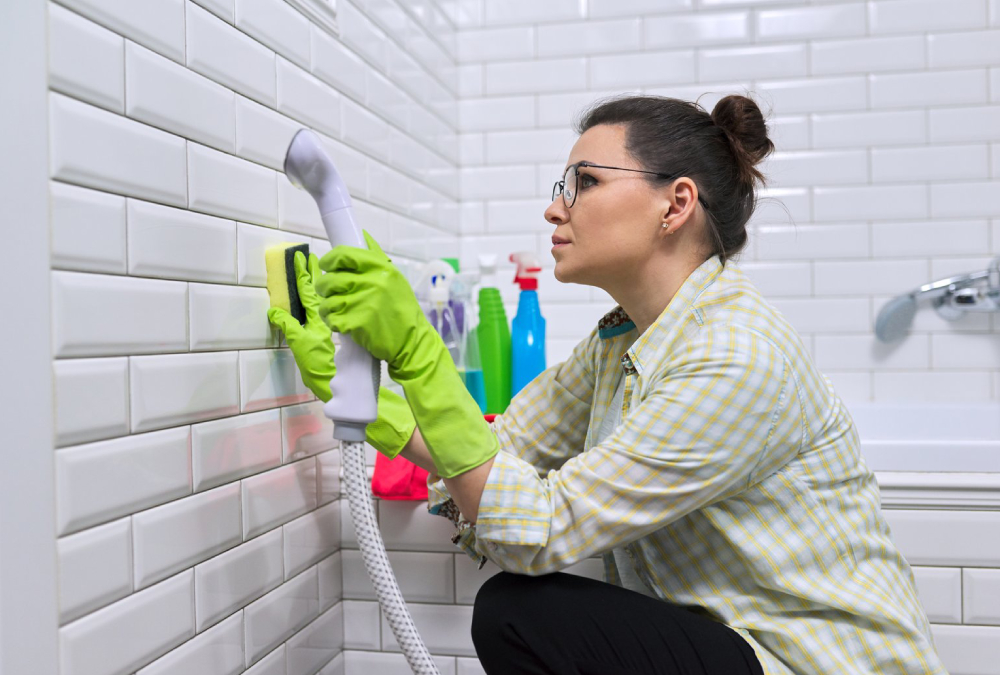
- Spray anti-mold solution on tiles
- Scrub grout lines with a brush
- Clean shower doors and corners
- Rinse and dry surfaces after use
Important habit:
Always ventilate the bathroom after showers.
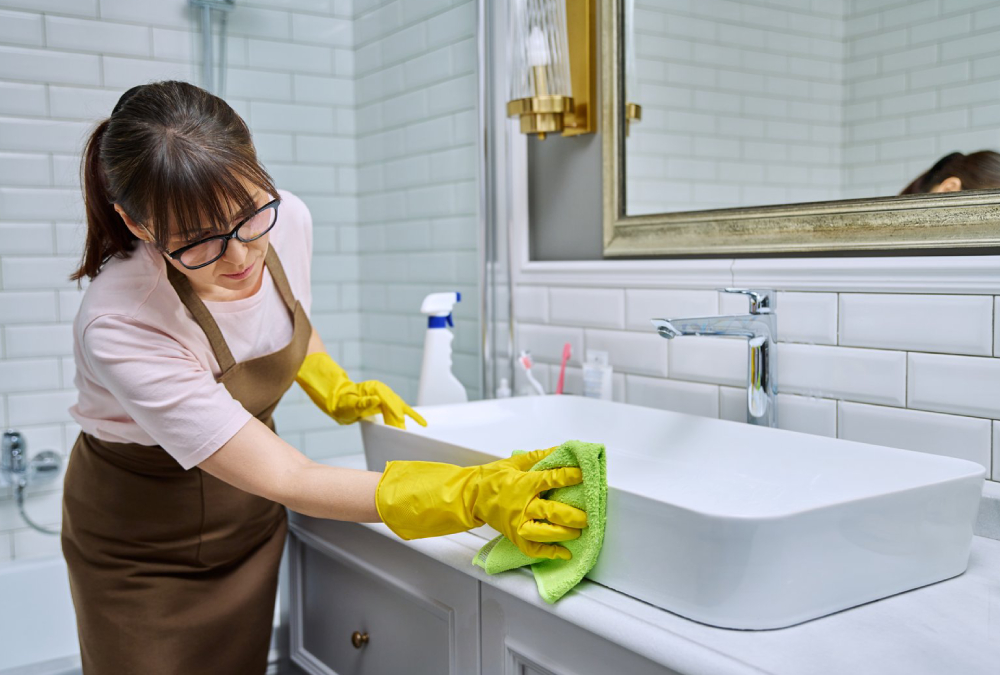
4. Clean and Dry Sink Areas Daily
Bathroom sinks collect toothpaste, soap, and water residue.
Deep cleaning routine:
- Scrub basin with disinfectant
- Clean faucet and handles
- Remove buildup around drain
- Wipe dry after cleaning
5. Use Proper Ventilation to Reduce Germ Growth
Moisture is the main cause of bacterial and mold growth.
Ventilation methods:
- Turn on exhaust fans during and after showers
- Open windows when possible
- Use dehumidifiers in humid conditions
Why it matters:
Less moisture = fewer germs.
6. Sanitize Bathroom Floors Thoroughly
Bathroom floors come into contact with water, shoes, and bacteria.
Cleaning steps:
- Sweep or vacuum first
- Mop with disinfectant solution
- Focus on corners and edges
- Dry floors completely
7. Don’t Forget Hidden Areas
Germs often hide where people don’t look.
Common hidden zones:
- Behind the toilet
- Under the sink
- Tile corners
- Baseboards
Cleaning tip:
Use a small brush or detailing tool for tight spaces.
8. Clean Mirrors and Glass for Hygiene + Appearance
While mirrors don’t hold many germs, they collect splashes and residue.
Steps:
- Spray glass cleaner
- Wipe with microfiber cloth
- Buff for streak-free finish
9. Replace or Clean Bathroom Accessories Regularly
Items like:
- Towels
- Bath mats
- Shower curtains
Why it matters:
These items can hold bacteria and moisture.
10. Use Disinfectants, Not Just Soap
Soap removes dirt—but does not kill germs.
Proper cleaning products:
- Hospital-grade disinfectants
- Antibacterial sprays
- Mold and mildew removers
11. Establish a Regular Cleaning Routine
Consistency is key for a germ-free bathroom.
Recommended schedule:
- Daily: wipe high-touch surfaces
- Weekly: deep cleaning of toilet, sink, and shower
- Monthly: full bathroom sanitization
Benefits of a Germ-Free Bathroom
1. Better Health Protection
Reduces exposure to:
- Bacteria
- Viruses
- Fungal infections
2. Prevents Mold Growth
Stops respiratory issues and allergies before they start.
3. Improves Air Quality
A clean bathroom smells fresher and feels healthier.
4. Enhances Home Hygiene
A clean bathroom improves the overall cleanliness of your home.
5. Reduces Long-Term Cleaning Effort
Regular deep cleaning prevents heavy buildup over time.
Common Mistakes to Avoid
1. Only cleaning visible areas
Germs hide in unseen spaces.
2. Not disinfecting properly
Soap alone is not enough.
3. Ignoring ventilation
Moisture leads to rapid bacteria growth.
4. Skipping high-touch surfaces
These are the fastest germ spreaders.
Final Thoughts
Maintaining a germ-free bathroom requires more than basic cleaning—it requires consistency, proper disinfectants, and attention to hidden areas. In busy Chicago homes, where bathrooms are used frequently, deep cleaning plays a crucial role in protecting health and maintaining hygiene.
A truly germ-free bathroom:
- Reduces disease risk
- Prevents mold and odors
- Improves comfort
- Enhances overall home health
In short, cleanliness in the bathroom is not just visual—it is essential for your well-being.