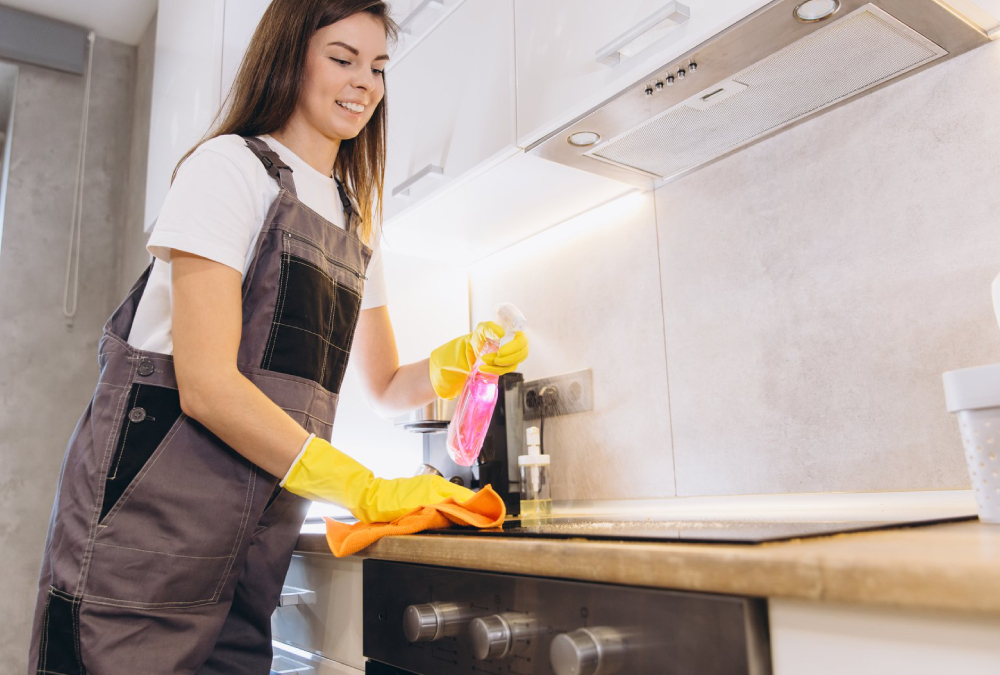
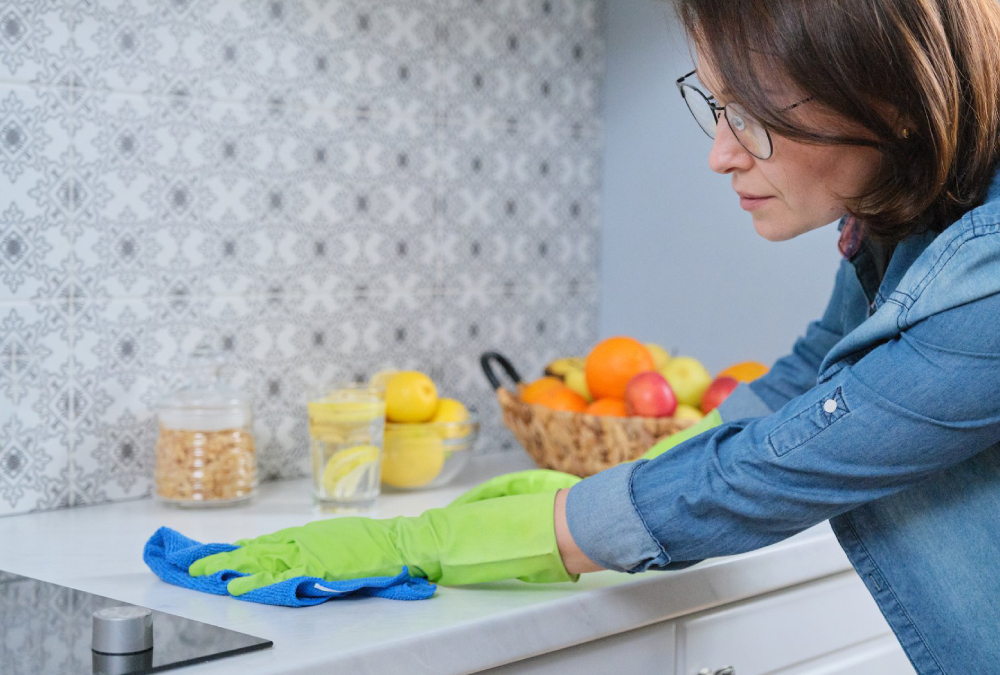
Even when your kitchen looks clean on the surface, there are many hidden areas that quietly collect grease, bacteria, dust, and food residue. In busy Chicago homes, these overlooked spots are one of the main reasons kitchens never feel truly “deep cleaned.”
Most people focus on countertops and sinks, but professional cleaners know the real dirt hides in places you rarely think about.
This guide highlights the most commonly forgotten kitchen cleaning areas and why they matter for hygiene and safety.
Why Hidden Kitchen Cleaning Matters
A kitchen is a high-risk hygiene area because it involves:
- Raw food
- Moisture
- Heat
- Constant handling
The problem:
Even small missed areas can:
- Attract bacteria
- Cause odors
- Lead to pest problems
- Contaminate food preparation zones
1. Behind and Under Appliances
This is one of the dirtiest areas in any kitchen.
Common appliances:
- Refrigerator
- Stove
- Oven
- Dishwasher
What builds up here:
- Food crumbs
- Grease splatter
- Dust and dirt
- Liquid spills
Why it matters:
This hidden buildup can attract insects and produce strong odors over time.
2. Refrigerator Door Seals
Most people clean inside the fridge but forget the seals.
What collects here:
- Mold
- Sticky residue
- Food particles
Why it matters:
Dirty seals can:
- Reduce fridge efficiency
- Spread bacteria to food
- Create unpleasant smells
3. Cabinet Handles and Edges
Cabinet handles are touched constantly but rarely disinfected.
Hidden dirt includes:
- Grease from hands
- Bacteria buildup
- Food residue
Important note:
These are high-touch surfaces, meaning they spread germs easily.
4. Inside Kitchen Cabinets
Even if cabinets look clean from outside, the inside often tells a different story.
Common issues:
- Crumbs in corners
- Dust accumulation
- Spilled spices or liquids
Why it matters:
Food storage areas must stay clean to avoid contamination.
5. Stove Knobs and Control Panels
Cooking areas accumulate grease faster than expected.
What gets missed:
- Sticky stove knobs
- Grease behind control panels
- Food splatter around buttons
Risk:
Grease buildup can become sticky, hard to remove, and even a fire hazard.
6. Range Hood and Filters
The range hood collects grease from cooking fumes.
Common buildup:
- Thick grease layer
- Dust and smoke particles
- Oil residue
Why it matters:
Clogged filters reduce air quality and kitchen ventilation.
7. Sink Drain and Garbage Disposal
Sinks are used daily but drains are often ignored.
What accumulates:
- Food particles
- Bacteria
- Foul odors
Risk:
Dirty drains can become one of the biggest sources of kitchen smell.
8. Backsplash Tiles
Behind the stove and sink, backsplash areas collect hidden grime.
What builds up:
- Oil splashes
- Food stains
- Steam residue
Why it matters:
If not cleaned, grease hardens and becomes difficult to remove.
9. Microwave Interior (Ceiling Area)
Most people wipe the microwave plate but forget the top interior.
Common issues:
- Food splatter on ceiling
- Grease buildup on walls
- Odor retention
10. Floor Corners and Edges
Kitchen floors are often cleaned in the center but ignored at edges.
Hidden dirt includes:
- Crumbs under cabinets
- Sticky spills in corners
- Dust buildup along walls
11. Light Switches and Buttons
These are high-touch areas that are frequently overlooked.
Why they matter:
- Constant hand contact
- Germ transfer points
- Easily spread bacteria
12. Trash Bin Lid and Exterior
People empty trash but forget to clean the bin itself.
What builds up:
- Sticky residue
- Food spills
- Strong odors
Result:
Even a clean kitchen can smell bad if trash bins are not cleaned properly.
13. Small Appliances
Items like:
- Toasters
- Blenders
- Coffee machines
Common issue:
Crumbs, spills, and grease collect underneath and inside.
14. Ventilation Fans and Air Vents
Air circulation areas are often ignored completely.
What collects here:
- Dust
- Grease particles
- Cooking fumes
Why it matters:
Dirty vents reduce air quality and spread odors.
Why These Areas Are Commonly Missed
1. They are not visible
People clean what they can see.
2. Lack of time
Quick cleaning skips detailed areas.
3. Hard-to-reach locations
Behind appliances is difficult to access.
4. No cleaning checklist
Without structure, important areas are forgotten.
How Professional Cleaners Handle These Areas
Professional kitchen deep cleaning services in Chicago focus on:
- Moving appliances when possible
- Disassembling removable parts
- Using degreasers for hidden buildup
- Sanitizing high-touch points
- Cleaning ventilation and corners
Benefits of Cleaning Hidden Kitchen Areas
1. Better Hygiene
Removes bacteria from hidden zones.
2. Odor Control
Eliminates bad smells from drains and grease.
3. Pest Prevention
Reduces food sources for insects.
4. Improved Kitchen Lifespan
Prevents long-term damage from buildup.
5. Safer Cooking Environment
Reduces contamination risks.
Final Thoughts
A truly clean kitchen is not just about what you see—it’s about what you don’t see. Hidden areas are where most grease, bacteria, and odors build up over time.
For homeowners in Chicago, regularly cleaning these overlooked spots ensures:
- Better hygiene
- Fresher air
- Safer cooking conditions
- A healthier home environment
In kitchen cleaning, details make all the difference.