Keeping your home clean is essential—but how you clean matters just as much as the results. Many traditional cleaning products contain harsh chemicals that may remove dirt effectively but can negatively impact your health, indoor air quality, and the environment.
That’s why more homeowners and businesses are switching to non-toxic cleaning products—a safer, smarter approach to maintaining a clean and healthy space.
In Chicagoland homes, where families spend long periods indoors (especially during colder months), using non-toxic products can make a significant difference in daily comfort and long-term health.
This guide explains the key benefits of non-toxic cleaning products and why they are worth using.
What Are Non-Toxic Cleaning Products?
Non-toxic cleaning products are made without harmful chemicals that can:
- Irritate skin
- Pollute indoor air
- Leave dangerous residues
- Harm the environment
They typically include:
- Plant-based ingredients
- Biodegradable formulas
- Natural cleaning agents
- Minimal or no artificial fragrances
In simple terms:
They clean effectively without putting your health at risk.
Why Traditional Cleaning Products Can Be Harmful
Many standard cleaners contain:
- Ammonia
- Bleach
- Synthetic fragrances
- Volatile Organic Compounds (VOCs)
These can cause:
- Respiratory irritation
- Skin sensitivity
- Headaches
- Eye irritation
- Long-term health concerns
1. Healthier Indoor Air Quality
One of the biggest benefits of non-toxic cleaning products is improved air quality.
Traditional cleaners:
Release harmful fumes into the air.
Non-toxic cleaners:
- Reduce airborne chemicals
- Keep indoor air fresh
- Lower risk of breathing issues
Why it matters:
Indoor air can be more polluted than outdoor air—especially in closed homes during winter.
2. Safer for Children and Pets
Children and pets spend more time in direct contact with floors and surfaces.
Risks with chemical cleaners:
- Skin contact with residues
- Ingesting harmful substances
- Breathing toxic fumes
Non-toxic advantage:
- Safe surfaces for crawling and playing
- Reduced risk of accidental exposure
3. Reduces Skin and Eye Irritation
Harsh chemicals can irritate your body during cleaning.
Common issues:
- Dry or irritated skin
- Red eyes
- Allergic reactions
Non-toxic products:
Are gentler and safer for everyday use.
4. No Harmful Chemical Residue
After cleaning, traditional products often leave invisible residue.
Where it stays:
- Kitchen counters
- Dining tables
- Floors
- Bathroom surfaces
Non-toxic cleaners:
Leave surfaces safe for direct contact.
5. Environmentally Friendly
Non-toxic products are better for the environment.
They help by:
- Reducing water pollution
- Breaking down naturally
- Minimizing chemical waste
Impact:
Supports a cleaner and healthier ecosystem.
6. Safer Cleaning Experience
Cleaning should not expose you to harmful chemicals.
With traditional products:
- Strong odors
- Need for gloves and masks
- Risk of chemical reactions
With non-toxic products:
- Mild or no smell
- Safer handling
- Less protective gear needed
7. Protects Home Surfaces
Harsh chemicals can damage surfaces over time.
Examples:
- Fading paint
- Damaged wood finishes
- Corroded fixtures
Non-toxic cleaners:
Are gentler and help preserve materials.
8. Supports Long-Term Health
Daily exposure to chemicals adds up over time.
Switching to non-toxic products:
- Reduces long-term health risks
- Minimizes toxin buildup in living spaces
9. Effective Cleaning Without Harsh Chemicals
Many people think non-toxic means less effective—but that’s not true.
Natural ingredients can:
- Remove grease
- Kill bacteria
- Eliminate odors
- Clean surfaces thoroughly
Key point:
Effectiveness depends on proper usage, not harshness.
10. Better for People with Allergies or Asthma
Chemical cleaners can trigger symptoms.
Common triggers:
- Strong scents
- Airborne chemicals
- Residue on surfaces
Non-toxic products:
Reduce these triggers and improve comfort.
11. Cost-Effective in the Long Run
Many non-toxic cleaning solutions use simple ingredients.
Examples:
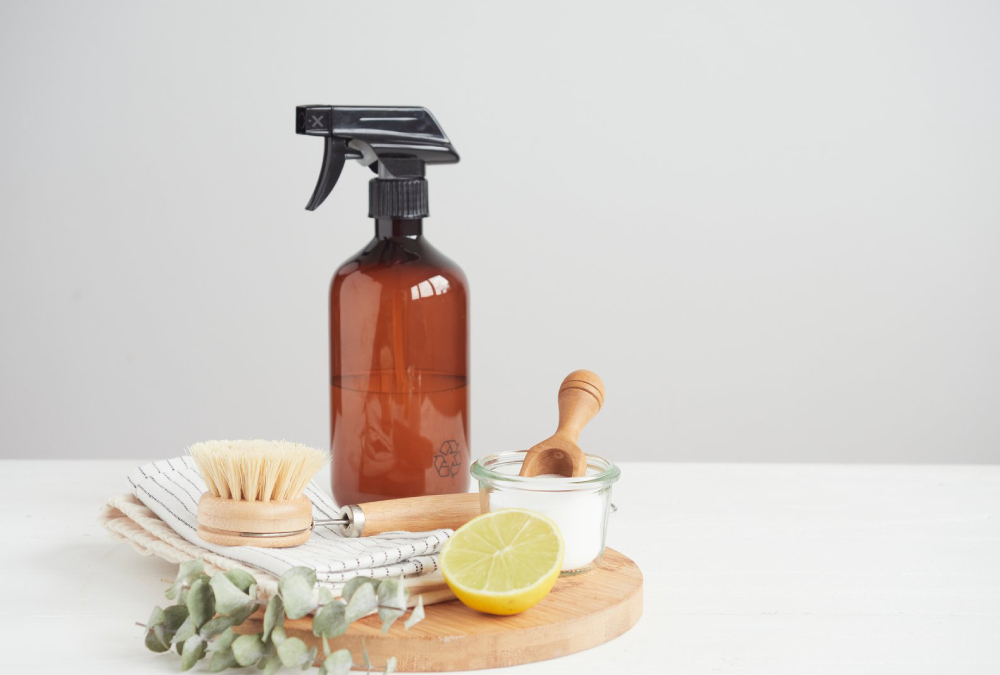
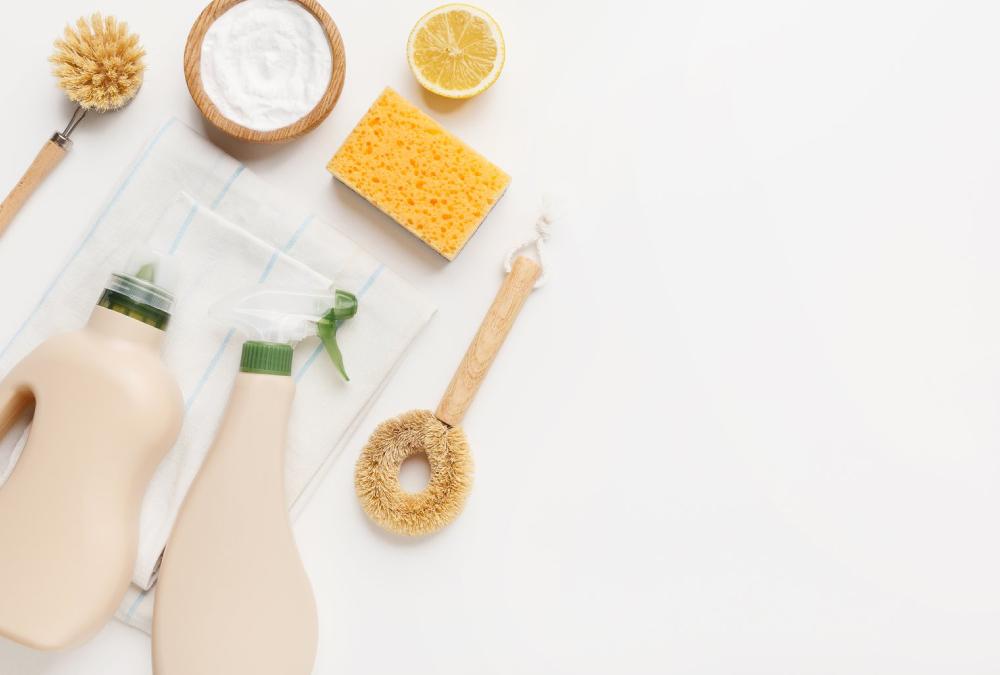
- Vinegar
- Baking soda
- Lemon
Benefit:
Lower long-term cleaning costs.
12. Encourages a Healthier Lifestyle
Switching to non-toxic products often leads to:
- Better home habits
- Cleaner living environment
- Increased awareness of health and safety
Common Non-Toxic Cleaning Ingredients
1. Vinegar
- Cuts grease
- Removes odors
- Disinfects surfaces
2. Baking Soda
- Scrubs gently
- Neutralizes odors
- Removes stains
3. Lemon
- Natural disinfectant
- Fresh scent
- Breaks down grease
4. Mild Soap
- Safe for daily cleaning
- Effective on most surfaces
Common Myths About Non-Toxic Cleaning
“They don’t clean well”
They are highly effective when used properly
“They are expensive”
Many are cheaper than chemical products
“They take more effort”
Regular use reduces overall cleaning time
When You Should Switch to Non-Toxic Products
Consider switching if:
- You have children or pets
- You experience allergies or irritation
- You want better indoor air quality
- You prefer eco-friendly living
- You want safer daily cleaning routines
Final Thoughts
Using non-toxic cleaning products is one of the simplest and most effective ways to create a healthier home. In Chicagoland homes, where indoor living is significant for much of the year, reducing exposure to harmful chemicals can greatly improve comfort and well-being.
Non-toxic cleaning ensures:
- Cleaner indoor air
- Safer surfaces
- Reduced health risks
- Environmental protection
- Long-term peace of mind
In short, a truly clean home is not just free of dirt—it’s free of harmful chemicals too.