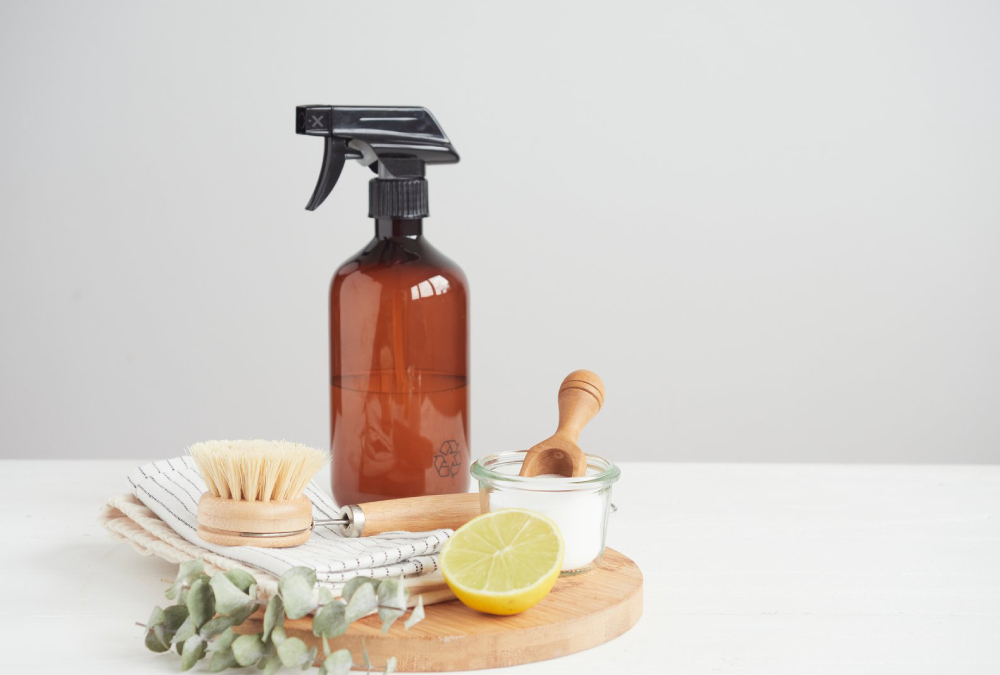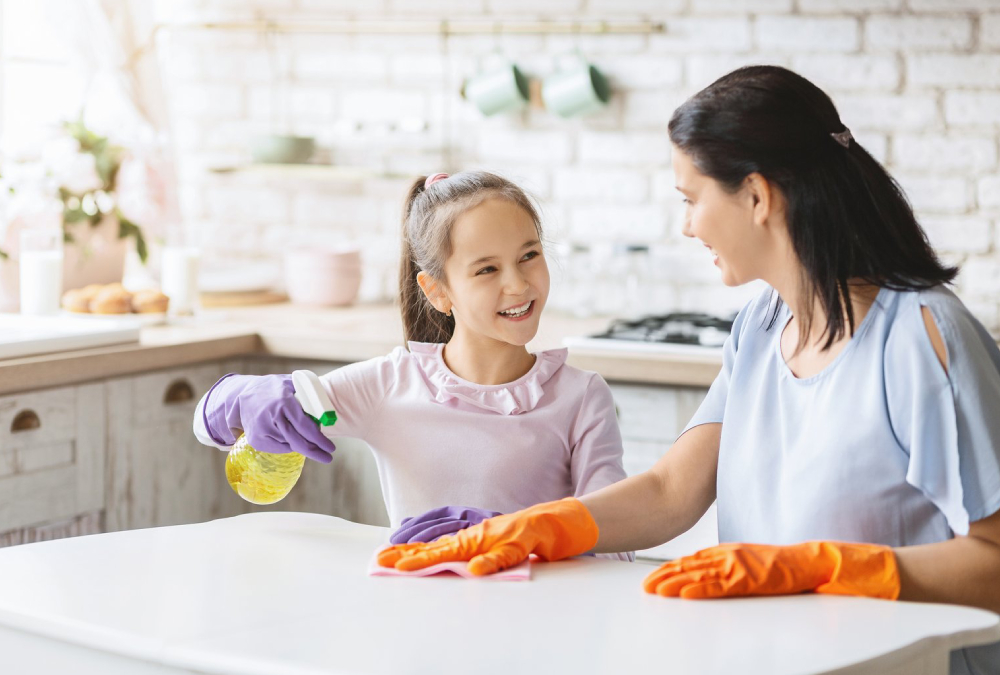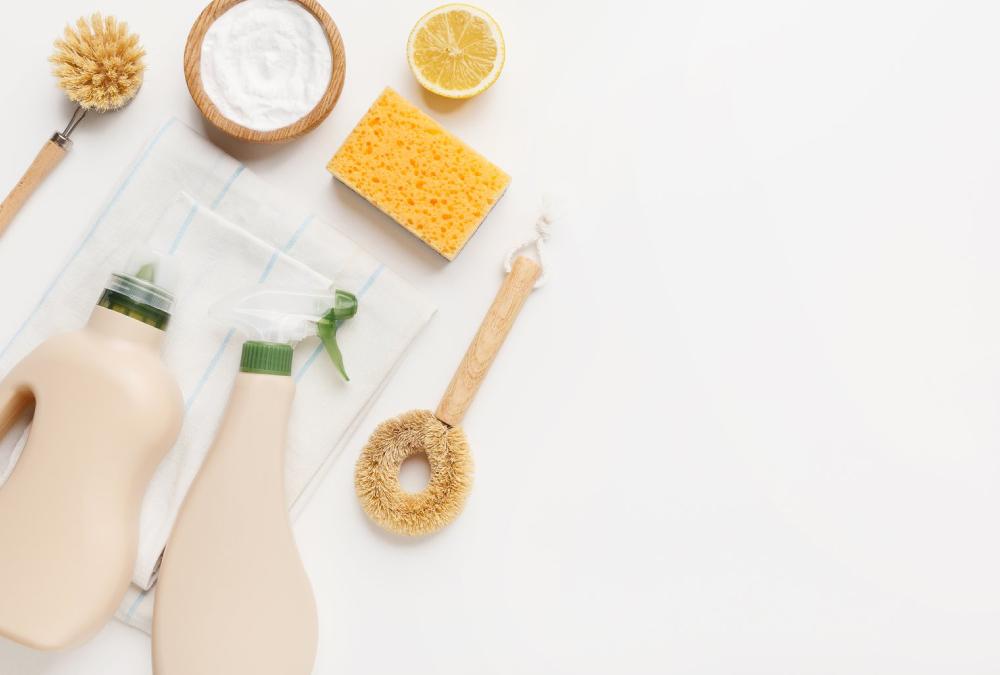

Keeping your home clean doesn’t have to come at the cost of your health or the environment. Traditional cleaning methods often rely on harsh chemicals that can affect indoor air quality, irritate skin, and leave harmful residues on everyday surfaces. That’s why more homeowners are turning to eco-friendly cleaning practices—a smarter, safer, and more sustainable way to maintain a spotless home.
In busy Chicagoland households, where families spend long hours indoors—especially during colder months—switching to eco-friendly cleaning can significantly improve both comfort and health.
This guide provides practical, easy-to-follow eco-friendly cleaning tips you can start using today.
Why Eco-Friendly Cleaning Matters
Before jumping into tips, it’s important to understand the impact of your cleaning habits.
Traditional cleaning products can:
- Release harmful chemicals into the air
- Leave toxic residue on surfaces
- Trigger allergies and respiratory issues
- Harm the environment when washed down drains
Eco-friendly cleaning helps:
- Improve indoor air quality
- Reduce exposure to toxins
- Protect your family and pets
- Support a sustainable lifestyle
1. Switch to Natural Cleaning Solutions
You don’t need dozens of chemical products. Simple, natural ingredients can handle most cleaning tasks.
Basic eco-friendly cleaners:
- Vinegar (cuts grease and disinfects)
- Baking soda (scrubs and deodorizes)
- Lemon (removes stains and adds freshness)
- Mild dish soap (gentle all-purpose cleaner)
Example all-purpose cleaner:
- Mix equal parts vinegar and water
2. Use Microfiber Cloths Instead of Disposable Wipes
Paper towels and wipes create unnecessary waste.
Why microfiber is better:
- Reusable and long-lasting
- Traps dust effectively
- Requires less cleaning product
- Leaves no lint or streaks
3. Reduce Water and Product Usage
Using excessive water or cleaner is wasteful and unnecessary.
Eco tip:
- Use minimal product for maximum efficiency
- Light sprays instead of soaking surfaces
Benefit:
Saves resources and prevents residue buildup.
4. Clean Regularly to Avoid Heavy Chemical Use
The more dirt builds up, the stronger the cleaning solution needed.
Simple habit:
- Wipe surfaces daily
- Clean spills immediately
- Maintain a weekly cleaning routine
Result:
Less need for harsh cleaning products.
5. Improve Indoor Air While Cleaning
Cleaning shouldn’t pollute your indoor air.
What to do:
- Open windows while cleaning
- Use natural air fresheners
- Avoid strong artificial fragrances
Why:
Fresh air helps remove any lingering particles or odors.
6. Choose Eco-Friendly Commercial Products
If you prefer ready-made products:
Look for:
- Non-toxic labels
- Biodegradable ingredients
- Fragrance-free or naturally scented options
- Minimal packaging
Avoid:
Products with strong chemical smells or unclear ingredients.
7. Use Baking Soda for Tough Cleaning Jobs
Baking soda is one of the most versatile natural cleaners.
Use it for:
- Scrubbing sinks and tubs
- Removing stains
- Deodorizing carpets and shoes
How:
Sprinkle, scrub gently, and rinse.
8. Clean Floors with Gentle Solutions
Floors cover large areas, so using harsh chemicals can impact your entire home environment.
Eco-friendly method:
- Warm water + mild soap
- Microfiber mop
Avoid:
Strong chemical floor cleaners that leave residue.
9. Make Your Own Glass Cleaner
Skip chemical glass cleaners.
DIY solution:
- 1 part vinegar
- 1 part water
Result:
Streak-free windows without toxic fumes.
10. Avoid Artificial Air Fresheners
Most air fresheners contain synthetic chemicals.
Eco alternatives:
- Open windows
- Use essential oils (lightly)
- Keep your home naturally clean
Benefit:
Cleaner, fresher air without toxins.
11. Focus on High-Touch Areas
Cleaning smart is more important than cleaning everything.
Key areas:
- Door handles
- Light switches
- Kitchen counters
- Bathroom surfaces
Why:
These areas collect the most germs.
12. Wash Cleaning Tools Regularly
Dirty tools spread dirt instead of removing it.
Do this:
- Wash microfiber cloths after use
- Clean mop heads regularly
- Replace worn-out sponges
13. Declutter to Reduce Cleaning Effort
Less clutter means less dust and easier cleaning.
Tips:
- Remove unused items
- Organize storage spaces
- Keep surfaces clear
Result:
Faster, more efficient cleaning routines.
14. Use Cold Water When Possible
Hot water is not always necessary.
Eco benefit:
- Saves energy
- Reduces utility costs
15. Be Consistent, Not Perfect
Eco-friendly cleaning works best with regular habits.
Focus on:
- Simple routines
- Daily maintenance
- Smart cleaning choices
Benefits of Eco-Friendly Cleaning
1. Healthier Living Environment
Reduces exposure to harmful chemicals.
2. Better Indoor Air Quality
Keeps your home fresh and breathable.
3. Cost Savings
Many natural ingredients are affordable.
4. Environmental Protection
Reduces pollution and waste.
5. Safer for Kids and Pets
No toxic residue on surfaces.
Common Mistakes to Avoid
1. Using too much vinegar or solution
Can leave strong odors or residue.
2. Mixing different cleaners
Can create unwanted reactions.
3. Expecting instant results
Natural cleaning may require slight effort but is effective.
Final Thoughts
Eco-friendly cleaning is not about doing more—it’s about cleaning smarter. With simple changes like using natural ingredients, reducing waste, and maintaining regular cleaning habits, you can create a healthier home without relying on harsh chemicals.
For Chicagoland families, especially those spending long hours indoors, eco-friendly cleaning provides a safe, practical, and sustainable solution for everyday living.
By adopting these tips, you:
- Protect your health
- Improve indoor air quality
- Reduce environmental impact
- Maintain a clean and comfortable home
In short, eco-friendly cleaning is the balance between cleanliness, health, and sustainability.