In healthcare environments, infection control is one of the most critical priorities. Clinics, hospitals, dental offices, and urgent care centers in Chicago operate in high-risk conditions where bacteria, viruses, and other pathogens can spread quickly if proper cleaning protocols are not followed.
Professional cleaning plays a direct role in reducing infection risks by eliminating harmful microorganisms, maintaining strict hygiene standards, and creating a safer environment for both patients and healthcare staff.
This article explains how professional cleaning significantly reduces infection risks in medical facilities and why it is essential for modern healthcare operations.
Why Infection Control Is Critical in Healthcare
Healthcare facilities deal with:
- Sick patients
- Open wounds
- Bodily fluids
- Contaminated surfaces
- High patient turnover
The main risk:
Without proper cleaning, pathogens can spread rapidly between patients, staff, and equipment.
1. Eliminates Harmful Pathogens
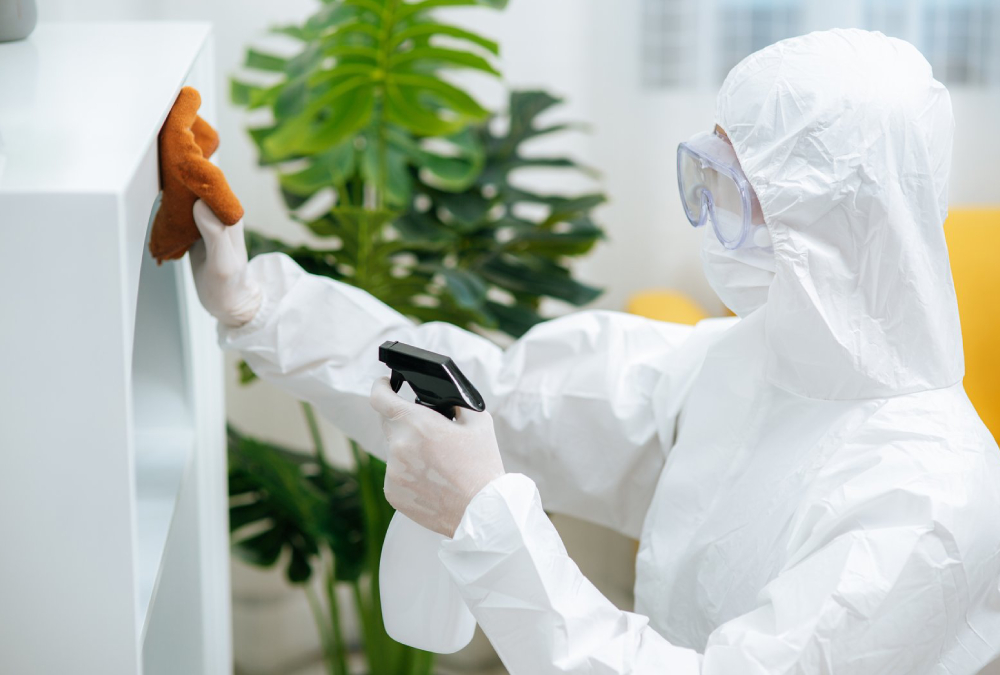
Professional cleaning services use hospital-grade disinfectants that are specifically designed to kill:
- Bacteria
- Viruses
- Fungi
- Other harmful microorganisms
Why this matters:
Regular cleaning products used in homes or offices are not strong enough to eliminate dangerous medical pathogens.
2. Prevents Cross-Contamination
Cross-contamination occurs when germs spread from one surface or person to another.
Common sources include:
- Medical equipment
- Examination tables
- Door handles
- Waiting room chairs
- Staff uniforms and hands
How professional cleaning helps:
- Uses strict cleaning protocols
- Separates clean and dirty zones
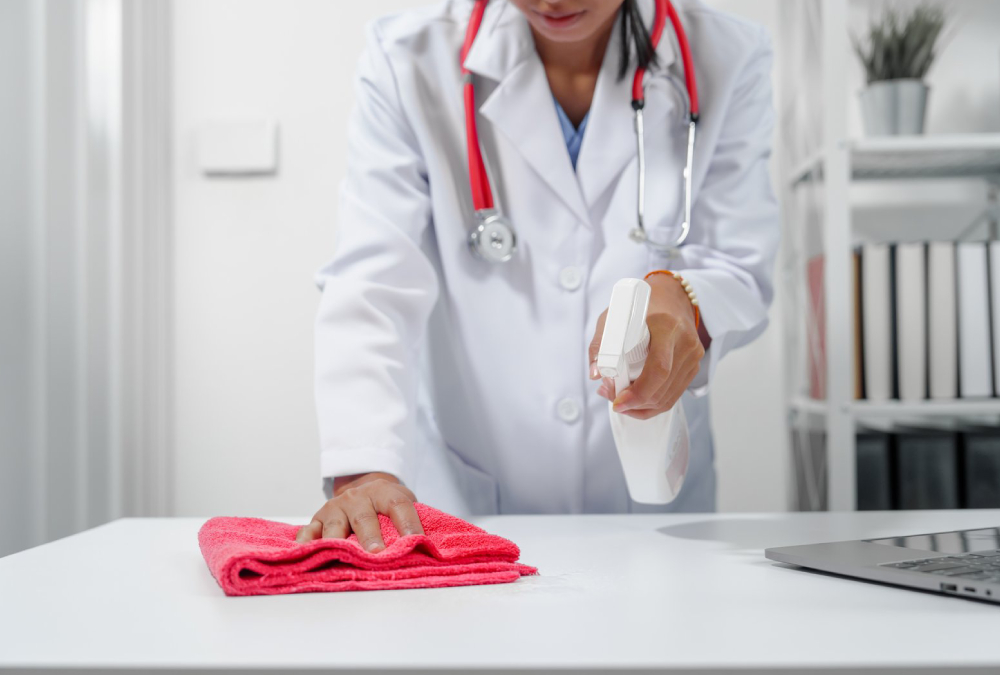
- Disinfects high-touch surfaces frequently
3. Focus on High-Touch Surfaces
High-touch surfaces are the fastest way infections spread in healthcare environments.
These include:
- Bed rails
- Light switches
- Stethoscopes and tools
- Countertops
- Elevator buttons
Professional cleaning advantage:
These areas are disinfected multiple times daily to break the chain of infection.
4. Reduces Healthcare-Associated Infections (HAIs)
Healthcare-associated infections are infections patients acquire while receiving treatment.
Examples include:
- MRSA
- C. difficile
- Surgical site infections
- Respiratory infections
Impact of professional cleaning:
- Significantly reduces infection rates
- Improves patient recovery outcomes
- Enhances overall healthcare safety
5. Ensures Proper Disinfection of Medical Equipment
Medical equipment must be handled with extreme care.
Professional cleaning includes:
- Sterilization of tools after use
- Proper disinfection procedures
- Following manufacturer guidelines
- Use of approved sanitization methods
Why it matters:
Improper cleaning of instruments can directly transmit infections between patients.
6. Improves Air Quality and Reduces Airborne Infections
Infections are not only surface-based—they can also spread through the air.
Airborne risks include:
- Flu viruses
- Respiratory infections
- Bacteria in droplets
Professional cleaning solutions:
- HEPA filtration systems
- HVAC system cleaning
- Air purification protocols
7. Maintains Clean Patient Care Areas
Patient rooms require the highest level of cleanliness.
Cleaning standards include:
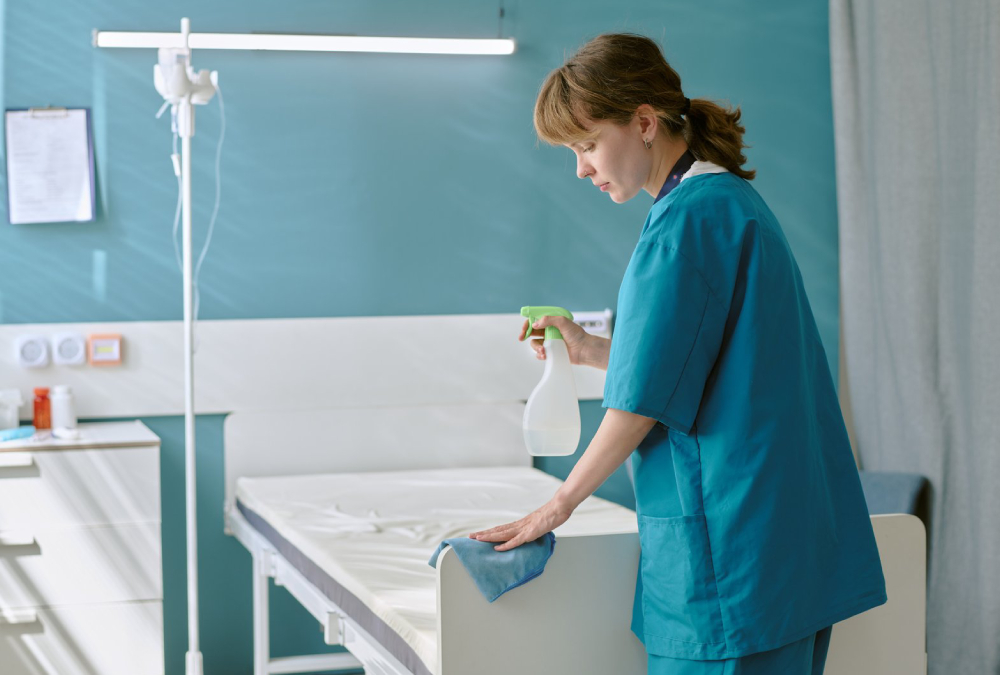
- Full disinfection after every patient
- Cleaning of beds, tables, and bathrooms
- Removal of contaminated materials
- Sanitization of all surfaces
Result:
Each patient enters a safe, sterile environment.
8. Reduces Risk in Waiting Areas
Waiting rooms are high-traffic zones where germs spread easily.
Common issues:
- Shared seating
- Close contact between patients
- Frequent surface touching
Professional cleaning approach:
- Regular disinfection of seating
- Cleaning magazines, tables, and counters
- Frequent trash removal
9. Supports Staff Safety
Healthcare workers are constantly exposed to infection risks.
How cleaning protects staff:
- Reduces exposure to pathogens
- Maintains safe working environments
- Minimizes illness-related absences
Result:
Healthier staff means better patient care.
10. Ensures Compliance with Health Regulations
Healthcare facilities must follow strict cleaning and sanitation standards.
These include:
- CDC guidelines
- OSHA regulations
- Local health authority rules
Professional cleaning benefit:
Ensures consistent compliance and reduces legal or operational risks.
11. Uses Proper Cleaning Techniques and Training
Professional cleaners are trained in:
- Infection control procedures
- Safe handling of hazardous materials
- Proper use of disinfectants
- Color-coded cleaning systems
Why this matters:
Training ensures cleaning is done correctly—not just quickly.
12. Provides Consistency and Reliability
In healthcare, consistency is critical.
Professional cleaning ensures:
- Regular cleaning schedules
- Standardized procedures
- Reliable results every time
Impact:
No gaps in hygiene that could lead to infection outbreaks.
Common Mistakes That Increase Infection Risk
1. Using regular cleaning products
They are not strong enough for medical-grade sanitation.
2. Infrequent cleaning schedules
Allows pathogens to accumulate.
3. Ignoring hidden areas
Germs often survive in overlooked spaces.
4. Lack of staff training
Leads to improper cleaning techniques.
Final Thoughts
Professional cleaning is one of the most effective ways to reduce infection risks in healthcare facilities. In high-demand environments like Chicago clinics and hospitals, it plays a vital role in protecting patients, staff, and visitors.
By ensuring strict cleaning protocols, using medical-grade disinfectants, and maintaining consistent hygiene standards, healthcare facilities can significantly reduce the spread of infections.
In healthcare, cleanliness is not just maintenance—it is a critical part of patient safety and medical care quality.