A cluttered home doesn’t just look messy—it can also create stress, reduce productivity, and make cleaning much harder than it needs to be. Many homeowners in busy environments like Chicagoland struggle with clutter because of fast-paced routines, limited space, seasonal items, and constant accumulation of belongings.
The good news is that decluttering doesn’t have to be overwhelming. With the right step-by-step system, you can transform your home into a clean, organized, and peaceful space.
This guide walks you through a practical and structured approach to decluttering your home step by step.
Why Decluttering Matters
Before starting, it’s important to understand why decluttering is so powerful.
Clutter affects:
- Mental clarity
- Daily productivity
- Cleaning efficiency
- Home appearance
A clutter-free home helps you:
- Find things faster
- Clean more easily
- Feel less stressed
- Create a more peaceful environment
Step 1: Start with a Clear Mindset
Decluttering is not just physical—it’s mental.
Before you start:
- Decide your goal
- Commit to letting go of unnecessary items
- Understand that it takes time
Important mindset shift:
You are not organizing clutter—you are removing it.
Step 2: Choose One Area at a Time
Trying to declutter the whole house at once leads to burnout.
Start with:
- One room
- One drawer
- One shelf
Why it works:
Small wins build momentum.
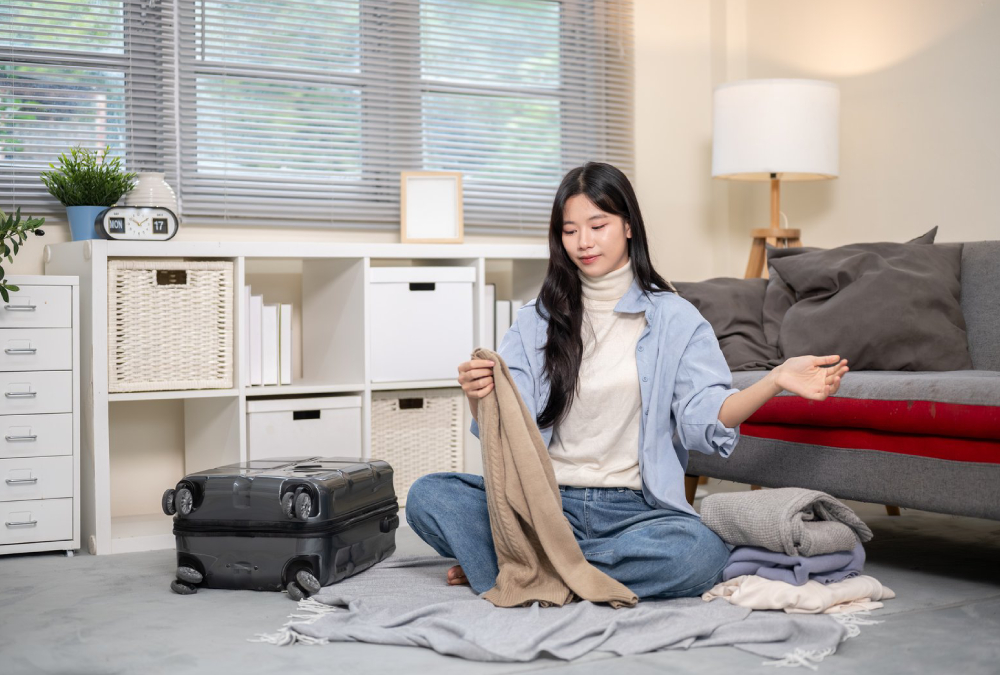
Step 3: Use the “Keep, Donate, Discard” Method
This is the foundation of decluttering.
Sort items into three categories:
- Keep (used and needed)
- Donate (good condition but unused)
- Discard (broken or unusable)
Rule:
Be honest about what you actually use.
Step 4: Start with Easy Items First
Don’t begin with emotional items.
Start with:
- Kitchen utensils
- Old papers
- Bathroom items
- General household clutter
Why:
Builds confidence before tackling harder decisions.
Step 5: Declutter Flat Surfaces First
Flat surfaces collect the most visible clutter.
Examples:
- Tables
- Counters
- Desks
- Dressers
Goal:
Clear visual space immediately.
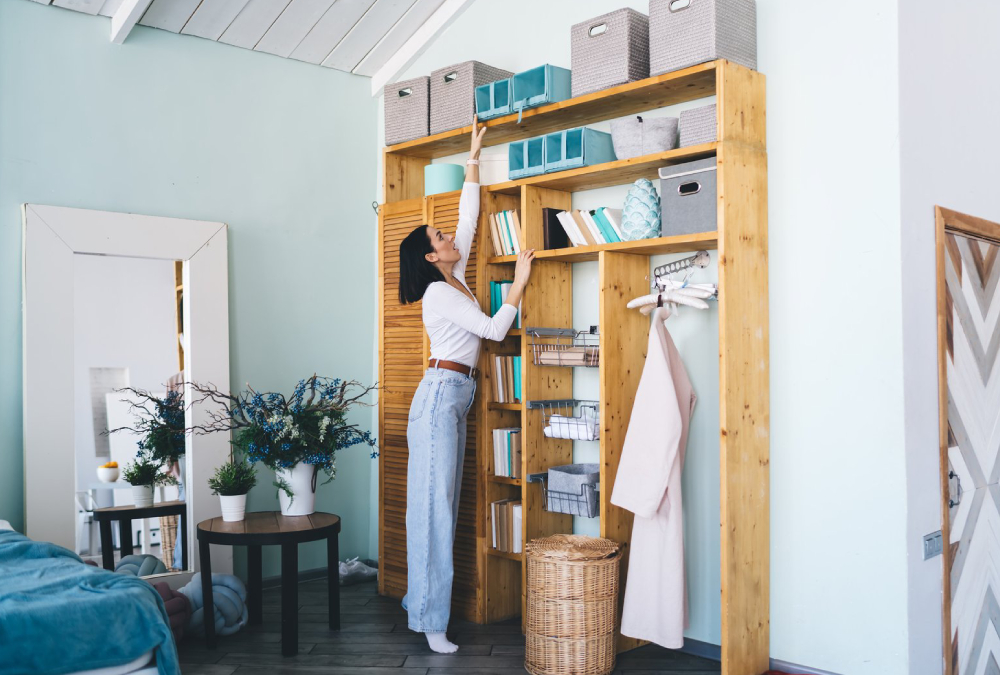
Step 6: Tackle Closets and Storage Areas
Closets often hide unused items.
Process:
- Remove everything
- Sort items one by one
- Put back only what you use
Tip:
If you haven’t used it in 12 months, reconsider keeping it.
Step 7: Organize As You Go
Don’t just remove clutter—organize what remains.
Use:
- Storage boxes
- Bins
- Labels
Why:
Prevents clutter from returning.
Step 8: Focus on One Category at a Time
Instead of room-based decluttering, try category-based.
Examples:
- Clothes
- Books
- Kitchen items
- Electronics
Benefit:
Helps you see duplicates clearly.
Step 9: Set a Time Limit
Decluttering can become tiring if done for too long.
Method:
- 30–60 minutes per session
- Take breaks
Why:
Maintains energy and focus.
Step 10: Use the “One-Year Rule”
A simple decision-making tool.
Rule:
If you haven’t used it in one year, you likely don’t need it.
Exception:
Seasonal or sentimental items.
Step 11: Digitize When Possible
Paper clutter builds up quickly.
Digitize:
- Bills
- Documents
- Photos
Benefit:
Saves physical space.
Step 12: Create Designated Spaces
Everything should have a place.
Examples:
- Keys → entry bowl
- Mail → organizer
- Shoes → rack
Why:
Prevents future clutter.
Step 13: Declutter Entryways First
Entryways set the tone for the home.
Focus on:
- Shoes
- Bags
- Coats
- Miscellaneous items
Benefit:
Instant visual improvement.
Step 14: Don’t Try to Be Perfect
Decluttering is a process.
Remember:
- Progress is better than perfection
- Small improvements matter
Step 15: Maintain a Simple Routine
Decluttering is not a one-time task.
Weekly habit:
- Remove unused items
- Reset cluttered areas
Benefits of Decluttering Your Home
1. Cleaner Living Space
Less clutter means less dust and mess.
2. Reduced Stress
A clean environment improves mental well-being.
3. Faster Cleaning
Fewer items = quicker cleaning.
4. Better Organization
Everything has a place.
5. Improved Productivity
Less distraction in your environment.
Common Mistakes to Avoid
1. Trying to do everything in one day
Leads to burnout.
2. Keeping items “just in case”
Creates unnecessary clutter.
3. Not maintaining the system
Clutter returns quickly without habits.
4. Ignoring storage solutions
Leads to re-cluttering.
Final Thoughts
Decluttering your home step by step is one of the most powerful ways to create a cleaner, more peaceful living environment. Instead of overwhelming yourself with large tasks, breaking the process into small, manageable steps makes it easier and more effective.
For Chicagoland homes—where busy lifestyles and seasonal changes often lead to clutter—this structured approach helps you:
- Stay organized
- Reduce stress
- Maintain a cleaner home
- Improve daily comfort
In short, decluttering is not about removing things—it’s about creating space for a simpler, better lifestyle.