In retail, success is not only about products, pricing, or marketing—it’s also about customer experience. One of the most overlooked yet powerful factors influencing that experience is cleanliness.
When customers walk into a retail store in Chicago, they form an opinion within seconds. Before they interact with staff or even look at products, they notice the environment. A clean, well-maintained store creates trust, comfort, and confidence—while a dirty or disorganized space can immediately push customers away.
This article explains how cleanliness directly affects customer experience and ultimately impacts sales and brand reputation.
First Impressions Happen in Seconds
Customers judge a store almost instantly upon entering.
What they notice immediately:
- Floor cleanliness
- Smell and air quality
- Lighting and overall appearance
- Product arrangement
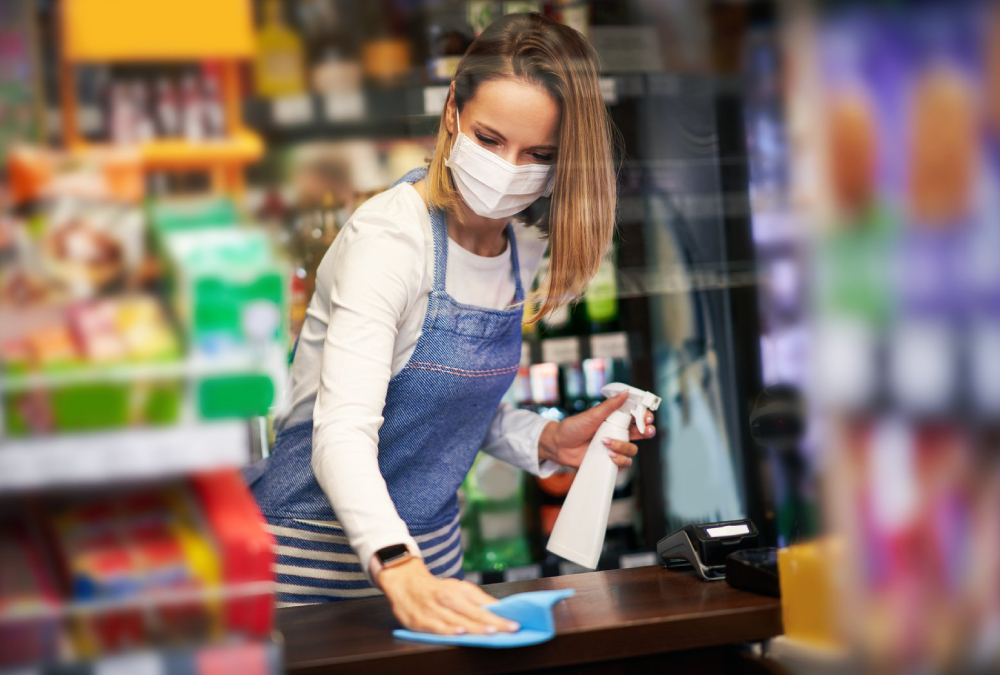
- Checkout counter cleanliness
Impact of cleanliness on first impressions:
- Clean store → feels professional and trustworthy
- Dirty store → feels unsafe or poorly managed
In retail, first impressions often determine whether a customer stays or leaves.
1. Cleanliness Builds Customer Trust
Trust is essential in retail.
Why cleanliness matters for trust:
A clean store signals that:
- Products are well-maintained
- Management is professional
- Hygiene standards are taken seriously
Customer psychology:
If a store looks dirty, customers may assume:
- Products are low quality
- Business is careless
- Hygiene is not a priority
This can directly reduce sales.
2. A Clean Environment Increases Dwell Time
Dwell time refers to how long customers stay in a store.
How cleanliness affects it:
- Clean stores feel comfortable → customers stay longer
- Dirty stores create discomfort → customers leave quickly
Why dwell time matters:
The longer a customer stays:
- The more products they see
- The higher the chance of purchase
Even small increases in dwell time can significantly boost sales.
3. Clean Stores Improve Product Perception
How products are presented is just as important as the products themselves.
Clean environment enhances perception:
- Products look more valuable
- Displays appear more organized
- Items feel higher quality
Dirty environment effect:
Even premium products can look cheap in a poorly maintained store.
4. Cleanliness Directly Affects Sales
Retail success is closely tied to store presentation.
Positive impact of cleanliness:
- Higher customer confidence
- More impulse purchases
- Better overall shopping experience
Negative impact of poor cleanliness:
- Reduced foot traffic
- Lower conversion rates
- Negative word-of-mouth
5. Smell and Air Quality Influence Buying Behavior
One of the most powerful senses in retail is smell.
Clean store benefits:
- Fresh, neutral air
- Pleasant shopping environment
- Increased comfort
Dirty store problems:
- Bad odors from storage or restrooms
- Stale air
- Customer discomfort
Impact:
Unpleasant smells can cause customers to leave immediately—even if products are good.
6. Cleanliness Enhances Brand Image
Your retail store is part of your brand identity.
What a clean store communicates:
- Professionalism
- Attention to detail
- Customer care
- Quality standards
Why this matters in Chicago retail:
In competitive retail markets, customers often choose stores they trust visually before they even compare prices.
7. Clean Stores Encourage Repeat Customers
Customer retention is more valuable than one-time sales.
Why customers return to clean stores:
- Comfortable shopping experience
- Positive emotional association
- Consistency in quality
Result:
Cleanliness builds long-term customer loyalty.
8. Employee Performance Improves in Clean Stores
Clean environments don’t just affect customers—they affect staff too.
Benefits for employees:
- Better mood and motivation
- Easier workflow
- Improved professionalism
Outcome:
Happy employees provide better customer service.
9. Cleanliness Reduces Health Risks in Retail Spaces
Retail stores experience constant foot traffic, which increases hygiene risks.
Common issues:
- Germs on counters and payment areas
- Dust accumulation on shelves
- Dirty fitting rooms
Professional cleaning helps:
- Reduce bacteria spread
- Maintain sanitary conditions
- Protect staff and customers
10. Cleanliness Impacts Online Reviews
In today’s digital world, customers share their experiences online.
Clean store advantage:
- Positive reviews
- Higher ratings
- Better reputation
Dirty store risk:
- Negative reviews
- Public complaints
- Loss of future customers
Retail Cleaning Checklist (Overview)
Daily Tasks:
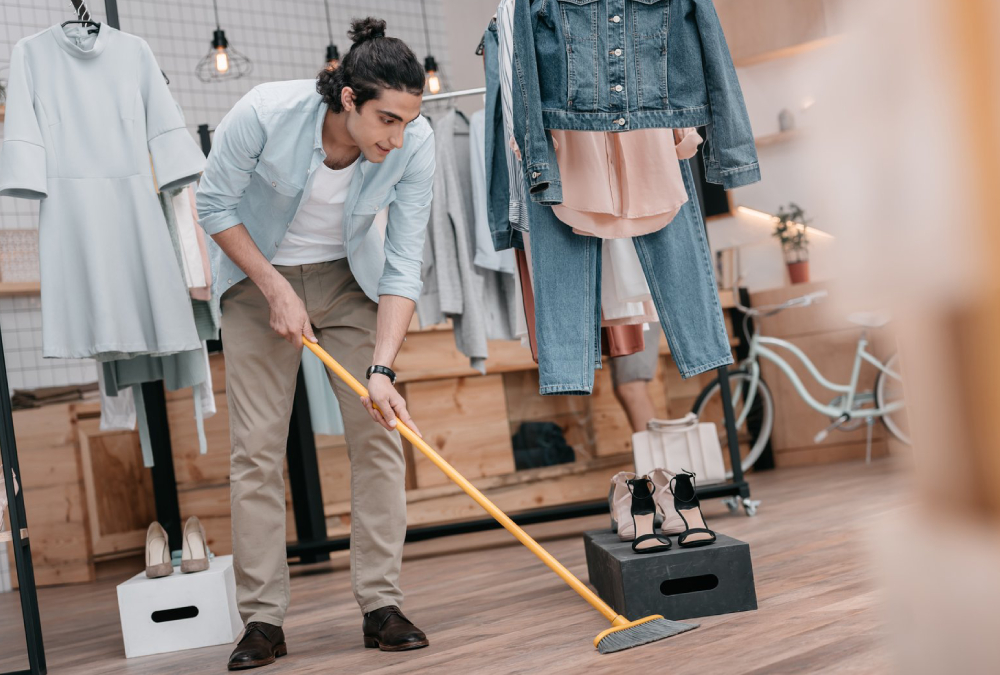
- Sweep and mop floors
- Clean checkout counters
- Empty trash bins
- Wipe high-touch surfaces
Weekly Tasks:
- Deep clean floors
- Dust shelves and displays
- Clean mirrors and glass
- Sanitize restrooms
Monthly Tasks:
- Clean behind displays
- Deep carpet cleaning
- Vent and air system cleaning
DIY Cleaning vs Professional Cleaning
DIY Cleaning
Pros:
- Lower cost
- Flexible schedule
Cons:
- Inconsistent quality
- Missed hidden areas
- Time-consuming for staff
Professional Cleaning
Pros:
- Consistent results
- Deep sanitization
- Specialized tools
- Better hygiene standards
Why After-Hours Cleaning Is Important
Retail stores benefit greatly from cleaning outside business hours.
Benefits:
- No disruption to customers
- Thorough cleaning possible
- Faster cleaning process
- Safer for staff and customers
Common Mistakes Retail Owners Make
1. Only cleaning visible areas
Hidden dirt affects hygiene and appearance.
2. Ignoring floors and entryways
These areas collect the most dirt.
3. Inconsistent cleaning schedules
Leads to buildup and poor presentation.
4. Overlooking restrooms
A major factor in customer satisfaction.
Final Thoughts
Cleanliness is not just maintenance in retail—it is a direct driver of customer experience and sales performance.
For retail stores in Chicago, where competition is strong and customer expectations are high, cleanliness can determine whether a customer buys once—or becomes a loyal repeat visitor.
A clean store:
- Builds trust
- Increases sales
- Enhances brand image
- Improves customer satisfaction
In short, cleanliness is silent marketing that works 24/7.